
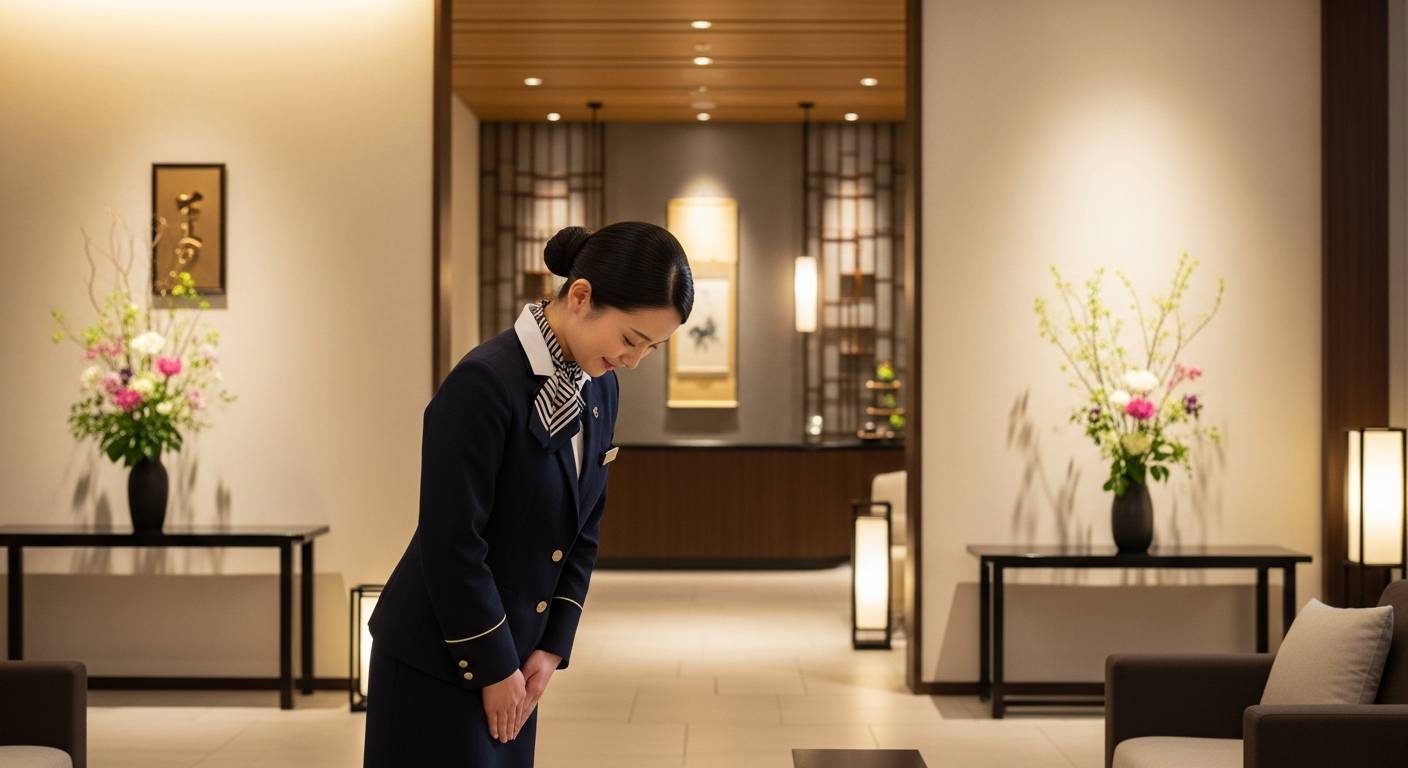
In the rarefied world of luxury hospitality, a quiet revolution is taking place. Japanese Omotenashi—the art of wholehearted hospitality—is transforming how elite concierge services operate globally. For high-net-worth individuals and discerning expatriates seeking exceptional service experiences in Japan, understanding this cultural phenomenon offers insight into why Japanese butler and concierge services have become the gold standard worldwide.
This comprehensive guide explores the philosophical foundations of Omotenashi, examines the distinctive qualities that set Japanese butler services apart from their Western counterparts, and reveals how Japan’s approach to luxury lifestyle support is creating unprecedented value for discriminating clients. Whether you’re planning a luxury stay in Japan or seeking to elevate your hospitality standards, the principles discussed here represent the cutting edge of personalized service excellence that is reshaping expectations in the international luxury market.
1. The Hidden Philosophy Behind Japanese Omotenashi That’s Transforming Global Luxury Services
The concept of “omotenashi” extends far beyond simple hospitality—it represents a profound cultural philosophy that has silently reshaped luxury service standards worldwide. At its core, omotenashi embodies anticipatory service that occurs without expectation of reward, a mindset that fundamentally differs from Western service models. This invisible yet powerful force behind Japanese hospitality anticipates needs before they’re expressed, creating seemingly magical experiences where guests’ wishes are fulfilled before they even realize what they want.
Leading luxury brands like Ritz-Carlton and Four Seasons have begun integrating these principles, moving beyond transactional relationships toward genuine connection. Unlike conventional service frameworks that rely on scripts and standard operating procedures, omotenashi cultivates an intuitive understanding of each guest as an individual. This personalized approach manifests in subtle details—the perfect room temperature upon arrival, preferred newspapers without asking, or beverages prepared exactly to taste without instruction.
The philosophy encompasses several distinctive elements that luxury concierge services are adopting: “kikubari” (paying attention to details others might miss), “tsukushikokoromi” (dedicated effort to perfection), and “omotezatoi” (the absence of awkwardness in service delivery). These principles transform luxury experiences from excellent to extraordinary by creating moments of delight that feel both surprising and completely natural.
As global luxury hospitality evolves, these Japanese principles are becoming essential differentiators rather than optional enhancements. Establishments like Mandarin Oriental and Aman Resorts have implemented dedicated training programs focused specifically on omotenashi principles, recognizing that modern luxury consumers increasingly value authentic, thoughtful interactions over material excess. This shift represents a fundamental reimagining of what luxury service means in today’s experience-driven marketplace.
2. 5 Ways Japanese Butler Services Outperform Traditional Western Hospitality
The concept of Japanese butler services has been quietly transforming the global luxury hospitality landscape. Rooted in the philosophy of “omotenashi,” Japanese-style concierge services offer a distinct approach that many high-net-worth individuals and luxury hotels now prefer over traditional Western methods. Here’s why Japanese butler services are setting new standards in the industry:
First, Japanese butlers master the art of anticipatory service. Unlike their Western counterparts who typically wait for requests, Japanese butlers observe patterns and preferences to address needs before they’re expressed. At the Mandarin Oriental Tokyo, butlers might notice a guest’s preference for a certain tea and ensure it’s prepared at the same time daily without prompting.
Second, Japanese service emphasizes invisible attentiveness. The ability to provide meticulous care without being intrusive is a hallmark of Japanese hospitality. The Peninsula Tokyo trains their staff to perfect the delicate balance of being available without hovering, creating an atmosphere where guests feel completely attended to without seeing the mechanisms behind it.
Third, Japanese butler training incorporates mindfulness and precision in every action. Each gesture is purposeful and refined—from the way items are presented to how they’re arranged. The Ritz-Carlton Kyoto’s butlers demonstrate this through their careful handling of guests’ belongings during unpacking services, treating each item with reverence.
Fourth, Japanese butler services excel in personalization beyond surface-level preferences. Rather than simply remembering names and basic preferences, Japanese-trained butlers create comprehensive profiles that capture nuanced details about guests’ habits, cultural backgrounds, and unexpressed desires. Four Seasons Hotel Kyoto butlers maintain detailed journals about returning guests to ensure each stay feels increasingly tailored.
Finally, Japanese butler services embrace kaizen (continuous improvement) as a fundamental principle. Every interaction is viewed as an opportunity to refine service. The Aman Tokyo implements regular reflection sessions where butler staff analyze guest interactions and collectively brainstorm enhancement opportunities, ensuring service standards continuously evolve.
This Japanese approach to butler services represents a paradigm shift in luxury hospitality, blending centuries-old cultural traditions with modern expectations. As global luxury brands continue adopting these principles, the distinction between Japanese omotenashi and conventional hospitality becomes increasingly apparent to discerning travelers seeking authentic, transcendent service experiences.
3. How Japan’s Elite Concierge Services Are Setting New Standards for HNWI Lifestyle Support
The principles of Japanese omotenashi are fundamentally transforming how ultra-luxury concierge services operate globally. Elite Japanese concierge firms like Quintessentially Japan and Trunk Concierge have pioneered a distinctive approach that high-net-worth individuals increasingly demand worldwide. This transformation goes beyond simple service delivery to encompass a holistic lifestyle management philosophy.
What distinguishes Japanese elite concierge services is their extraordinary attention to anticipatory care. Unlike Western counterparts that often wait for client requests, Japanese concierges practice “kikubari” (気配り) – the art of anticipating needs before they’re expressed. For instance, The Ritz-Carlton Tokyo’s personal butlers don’t just respond to requests; they observe patterns and preferences, ensuring clients never need to ask twice for their specific requirements.
Data privacy and discretion represent another area where Japanese concierge services excel. Mitsukoshi’s personal shopping concierges maintain meticulous records while adhering to stringent privacy protocols that exceed global standards. This approach has proven particularly attractive to privacy-conscious HNWIs from the Middle East and Silicon Valley tech executives seeking absolute confidentiality.
The integration of technology with human touch defines modern Japanese concierge excellence. Innovative firms like TANPAKU leverage AI to track client preferences while maintaining the irreplaceable human element of service. Their proprietary systems can predict client needs based on previous interactions, weather conditions, or even market fluctuations, while their concierges deliver service with the warmth that technology alone cannot provide.
Access to the inaccessible remains a cornerstone of elite Japanese concierge services. Whether securing reservations at three-Michelin-starred Sukiyabashi Jiro months in advance or arranging private viewings with master craftsmen in Kyoto, Japanese concierges leverage deep-rooted cultural connections impossible to replicate through standard channels or digital platforms.
Perhaps most significantly, Japanese concierge services have redefined the concept of value. While premium services command premium prices, the Japanese approach emphasizes intangible value creation through relationship cultivation rather than transactional efficiency. This philosophy has influenced global luxury concierge providers, with companies like American Express Centurion and Quintessentially now incorporating elements of omotenashi into their service models worldwide.
As HNWIs increasingly seek authentic, personalized experiences, Japanese elite concierge services continue setting new benchmarks for what constitutes truly exceptional lifestyle support in the luxury sector.