
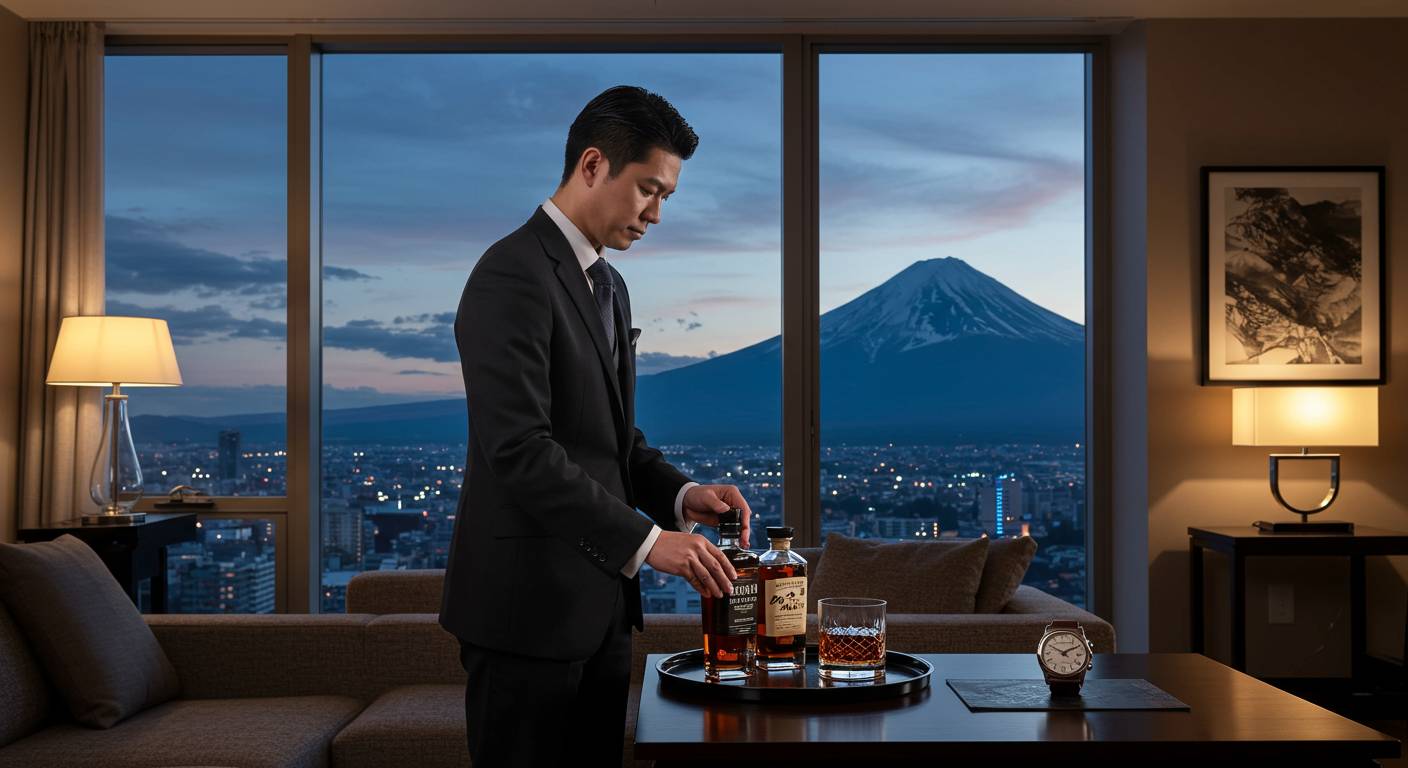
In the rarefied atmosphere of ultra-luxury services, Japan stands apart with its distinctive approach to high-net-worth individual (HNWI) butler services – a world largely unseen by the general public yet integral to the lifestyle of the global elite. As Japan continues to attract wealthy expatriates and discerning international travelers, the demand for exceptional personal service has evolved into a sophisticated industry where Japanese omotenashi (hospitality) meets international standards of discrete luxury support.
This article pulls back the curtain on an exclusive realm where dedicated professionals meticulously manage the complex lives of the ultra-wealthy in Japan. From coordinating private tea ceremonies with national living treasures to arranging last-minute private jet transportation, we explore how Japan’s elite butler services represent the pinnacle of personalized attention and cultural sophistication.
Whether you’re a high-net-worth individual seeking to understand the full spectrum of available services in Japan, or simply curious about this fascinating intersection of traditional Japanese hospitality and modern luxury lifestyle management, join us for this rare insider’s perspective on a world few ever get to witness.
1. Behind Closed Doors: How Japan’s Elite Butler Services Cater to the Ultra-Wealthy
In the skyscrapers of Tokyo and the secluded mansions of Kyoto, an invisible workforce operates with military precision, catering to Japan’s ultra-wealthy with a level of service most people will never experience. These elite butlers, serving High Net Worth Individuals (HNWIs), represent a specialized profession that blends traditional Japanese omotenashi (hospitality) with international standards of service excellence.
The modern Japanese butler industry has evolved significantly, with premier agencies like Tokyo Butler Service and The International Butler Academy Japan training professionals who earn annual salaries starting at ¥8 million and often exceeding ¥20 million for those serving billionaire clientele. These individuals do far more than simply manage households—they orchestrate entire lifestyles.
“The day might begin at 5:00 AM preparing for a client’s early meeting and end well past midnight after organizing an impromptu dinner for visiting dignitaries,” explains a senior butler with over two decades of experience serving Japan’s business elite. Discretion prevents these professionals from sharing client names, but their work encompasses everything from managing multiple properties and staff to arranging private jet travel and securing reservations at exclusive establishments like Sukiyabashi Jiro.
What distinguishes Japanese butler services is their unique fusion of Western formality with distinctly Japanese attention to detail. Unlike their European counterparts, Japan’s elite butlers are expected to anticipate needs before they arise—what the Japanese call “kikubari”—while maintaining absolute privacy. This skill becomes particularly valuable for international ultra-high-net-worth families who maintain residences in Japan’s luxury districts like Azabu or Roppongi Hills.
The profession remains largely invisible to the public eye, with training academies like The Tokyo Premium Service Institute operating without fanfare. Here, aspiring butlers spend months mastering everything from wine service and wardrobe management to cybersecurity protocols and emergency response procedures—critical skills when serving clients whose net worth often exceeds several billion dollars.
As wealth concentration continues globally, Japan’s discreet yet sophisticated butler industry offers a fascinating glimpse into how the ultra-wealthy navigate daily life, shielded from public view but supported by an intricate system of professional service that few will ever witness firsthand.
2. The Invisible Hand: Exploring the Exclusive World of HNWI Butler Services in Japan’s Luxury Market
Behind the closed doors of Japan’s most opulent residences, an elite workforce operates with precision and discretion. The High-Net-Worth Individual (HNWI) butler service industry in Japan represents a fascinating intersection of traditional Japanese hospitality and modern luxury service standards. Unlike their Western counterparts, Japanese butlers navigate a unique cultural landscape where omotenashi (wholehearted hospitality) meets the exacting demands of global wealth.
The Japanese HNWI butler sector has evolved significantly, with specialized training academies like Tokyo Butler Academy and International Butler Academy Japan producing professionals who command annual salaries starting at ¥8 million. These elite service providers are fluent in multiple languages, versed in international etiquette, and trained in everything from wine expertise to cybersecurity awareness.
What distinguishes Japanese butler services is their exceptional attention to detail. A premier Japanese butler anticipates needs before they arise—knowing when to be present and when to disappear, understanding the subtle differences in serving various international guests, and maintaining absolute confidentiality. This last quality is particularly valued in Japan, where privacy for the wealthy is considered paramount.
Major luxury residences in Tokyo’s Minato and Shibuya districts, as well as properties in Kyoto and Hakone, maintain dedicated butler staffs. These professionals coordinate with an ecosystem of luxury service providers: from personal shoppers at Ginza’s exclusive boutiques to private chefs and security specialists.
The relationship between Japanese HNWIs and their butlers often transcends the typical employer-employee dynamic. Many become trusted advisors in matters ranging from art acquisition to family affairs. One butler at a prominent Roppongi Hills residence manages not only household operations but also oversees the family’s collection of rare ukiyo-e prints worth millions, arranging private viewings for select guests.
Technology has transformed modern butler services in Japan. Today’s elite butlers utilize sophisticated house management software, communicate via encrypted channels, and manage smart home systems. Despite this technological integration, the human element remains irreplaceable—the ability to read a room, understand unspoken preferences, and deliver personalized service with Japanese precision.
The industry maintains strict barriers to entry. Prospective employers often conduct exhaustive background checks and require multiple interviews before granting access to their private domains. For Japan’s ultra-wealthy, the right butler represents not merely a luxury service but an extension of their personal brand and lifestyle philosophy.
The invisible world of HNWI butler services reveals much about Japan’s evolving relationship with wealth and service. It’s a profession where traditional Japanese values of loyalty and perfectionism meet the international standards of luxury—creating an unparalleled service experience that remains largely hidden from public view, yet represents a fascinating professional domain for those who gain entry to this exclusive world.
3. From Tea Ceremonies to Private Jets: Inside Japan’s Sophisticated Butler Services for High-Net-Worth Individuals
In Japan’s exclusive world of high-net-worth individual (HNWI) services, modern butlers seamlessly blend centuries-old traditions with contemporary luxury demands. These elite professionals operate far beyond the conventional butler role, creating bespoke experiences that reflect Japan’s unique approach to refined service.
Japanese butler services for HNWIs have evolved to include traditional cultural experiences with unprecedented levels of personalization. A typical day might involve arranging an authentic tea ceremony with a renowned tea master in a private Kyoto garden, followed by coordinating helicopter transportation to a secluded hot spring ryokan. Companies like Tokyo Premium Concierge and Quintessentially Japan have built reputations for facilitating these rarefied experiences with meticulous attention to detail.
What distinguishes Japanese butler services is their ability to anticipate needs before they’re expressed—an extension of “omotenashi” hospitality principles. This might manifest as preparing a client’s preferred sake at precisely 42°C, sourcing impossible-to-find seasonal ingredients from remote prefectures, or securing front-row seats at fully-booked kabuki performances.
The technological integration within these services is equally impressive. Modern Japanese butlers utilize sophisticated customer relationship management systems to track client preferences across multiple properties and time zones. Some employ custom-built applications that allow clients to request services through encrypted platforms that ensure discretion—a critical factor for privacy-conscious HNWIs.
For international clients, Japanese butlers serve as cultural intermediaries, navigating complex social protocols and business customs. They might arrange private meetings with master craftsmen whose workshops are typically closed to outsiders or coordinate dinner reservations at exclusive invitation-only restaurants like Mibu or Sushi Saito.
The training required for these positions is rigorous. Many top Japanese butlers combine international hospitality education with traditional Japanese arts training. The International Butler Academy Japan and The British Butler Institute’s Tokyo branch offer specialized programs focusing on the unique requirements of Japanese HNWI service, including protocols for imperial-style formal dining and the proper handling of priceless art and antiques.
Compensation reflects this extraordinary skill set, with elite Japanese butlers earning base salaries starting at ¥15 million annually, supplemented by substantial performance bonuses and benefits that might include private accommodation and international travel.
As wealth concentration increases globally, Japan’s sophisticated butler services continue to set standards in personalized luxury service, combining timeless cultural traditions with modern efficiency in ways that remain distinctively Japanese.
