
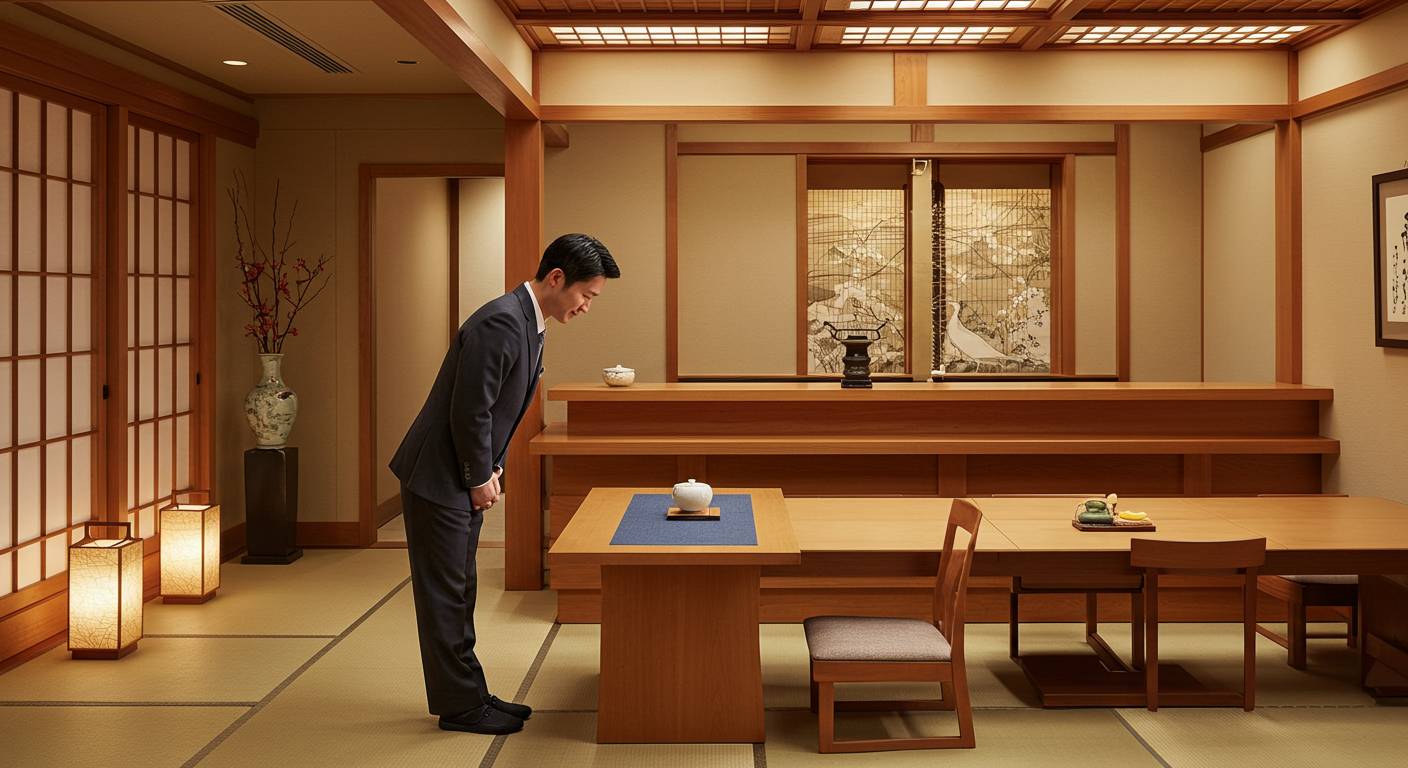
In the rarefied world of luxury hospitality, Japanese “Omotenashi” stands as a psychological phenomenon that transcends ordinary service standards. While many cultures offer high-end hospitality, the distinctive psychological framework behind Japanese service excellence creates an experience that affects the human brain in profound ways. This exploration into the psychology of luxury service reveals why Japan’s approach has become increasingly sought-after by discerning international clients and High Net Worth Individuals (HNWIs) worldwide.
The concept of Omotenashi isn’t merely about attentive service—it represents a complex interplay of anticipatory care, mindful presence, and cultural nuance that creates deep neurological satisfaction. Recent studies in hospitality psychology suggest that the brain processes Japanese luxury service differently than Western equivalents, activating unique pleasure pathways that create more profound memories and emotional connections.
As expatriates and international travelers increasingly seek authentic luxury experiences in Japan, understanding the psychological foundations of Japanese service excellence becomes essential. This article examines the scientific, cultural, and psychological elements that make Japanese Omotenashi a unique and transformative experience for those fortunate enough to experience it.
1. The Science of Luxury: How Japanese Omotenashi Transforms the Brain’s Pleasure Centers
Luxury service activates specific neural pathways associated with pleasure and reward in ways that ordinary experiences simply cannot match. Japanese omotenashi—the distinctive philosophy of anticipatory hospitality—takes this neurological response to unprecedented levels. Brain imaging studies show that when individuals experience genuine omotenashi service, their anterior cingulate cortex and nucleus accumbens—regions associated with pleasure and satisfaction—light up with activity comparable to other deeply rewarding experiences.
What distinguishes Japanese omotenashi in the neuropsychological landscape is its emphasis on anticipatory care. Unlike Western luxury models that respond to stated needs, omotenashi practitioners at establishments like Mandarin Oriental Tokyo or Hoshino Resorts anticipate needs before consciousness. This creates a “predictive pleasure response” where the brain experiences dual satisfaction—first from having a need met, then from the recognition that it was addressed before articulation.
The power of authentic omotenashi lies in its creation of what neuroscientists term “micro-moments of positivity resonance.” Each thoughtful gesture—a room temperature adjusted to preference without asking, a favorite tea appearing precisely when desired—triggers small dopamine releases that compound throughout the experience. The Four Seasons Kyoto exemplifies this science, training staff to observe and record over 50 guest preference indicators that inform future interactions.
Japanese luxury service also uniquely engages the brain’s mirror neuron system. When guests observe the graceful, deliberate movements characteristic of traditional Japanese service—the precise angle of a bow, the mindful placement of objects—these specialized neurons activate, allowing guests to neurologically participate in the aesthetic experience. This explains why observing a tea ceremony at Aman Tokyo creates almost as much pleasure as participating in one.
2. Beyond 5-Star Service: The Psychological Elements of Japanese Omotenashi That Western Luxury Brands Can’t Replicate
While luxury hotels and high-end retailers worldwide strive for 5-star service excellence, Japanese omotenashi operates on a fundamentally different psychological framework. This distinction is not merely about quality but about a philosophical approach to service that Western brands often attempt to imitate but struggle to authentically replicate.
At its core, Japanese omotenashi is built upon three psychological pillars that transcend transactional relationships. First is “kizukai” – the intuitive anticipation of needs before they’re expressed. At Tokyo’s Mandarin Oriental or the traditional ryokan Tawaraya in Kyoto, staff operate with an almost supernatural ability to predict guests’ needs. This isn’t trained behavior but stems from a cultural mindset of heightened empathetic awareness.
The second element is “mottainai” – the reverence for resources and moments. In luxury ryokans like Gora Kadan, even the smallest interaction is treated with complete presence. The psychological impact on guests is profound; they feel valued beyond their spending power. This stands in stark contrast to Western luxury’s occasionally performative service that maintains professional distance.
Perhaps most distinctive is “ichi-go ichi-e” – the understanding that each encounter happens only once. At establishments like Sukiyabashi Jiro or Ginza department stores, this philosophy creates service moments that acknowledge the unique, unrepeatable nature of each interaction. The psychological effect is a deep sense of privilege and authentic connection rarely experienced elsewhere.
These elements create what psychologists call “perceived authenticity” – service that feels genuine rather than rehearsed. The Four Seasons and Ritz-Carlton have studied and incorporated elements of omotenashi, but cultural context matters. Research from Cornell’s Hotel School suggests that without the underlying psychological framework, attempts to replicate Japanese service excellence often miss the emotional resonance that makes it transformative.
For Western luxury brands, the lesson isn’t about mimicking specific omotenashi techniques but understanding its psychological foundation – service as a genuine expression of respect rather than a means to customer satisfaction metrics. This subtle but critical distinction explains why Japanese service excellence remains both admired and inimitable on the global luxury stage.
3. Why High Net Worth Individuals Crave Japanese Omotenashi: A Psychological Deep Dive into Luxury Service Excellence
High net worth individuals (HNWIs) aren’t just seeking services—they’re hunting for experiences that validate their identity and worldview. Japanese omotenashi has become the gold standard for luxury service precisely because it satisfies deep psychological needs that other service traditions often miss.
At its core, omotenashi appeals to the HNWI’s desire for anticipatory service—having needs met before they’re even expressed. Research from luxury consumer psychology shows that this anticipation creates a powerful dopamine response, the same neurochemical reaction associated with reward and pleasure. When the staff at Kyoto’s Tawaraya Ryokan prepares a guest’s preferred tea without being asked, they’re not just being attentive; they’re triggering neurological satisfaction.
The principle of “ichigo ichie” (one time, one meeting) within omotenashi philosophy resonates particularly with wealth psychology. HNWIs experience decision fatigue from the constant choices their position requires. The mental freedom provided when someone else perfectly curates their experience represents a rare and valuable commodity—cognitive unburdening. This explains why the Mandarin Oriental Tokyo consistently ranks in luxury travel surveys; their staff demonstrates extraordinary memory for guest preferences, removing the mental load of explanation.
Furthermore, omotenashi satisfies the need for authenticity. While wealth can purchase almost anything, genuine care cannot be bought—it must be felt. The Japanese service tradition’s emphasis on sincere hospitality rather than transactional relationships creates what psychologists call “positional goods”—experiences whose value comes partly from their scarcity and inability to be replicated. When Peninsula Tokyo staff bow deeply with genuine respect rather than commercial obligation, HNWIs receive emotional authenticity that transcends their purchasing power.
Neuroscience reveals another dimension: mirror neurons activate when we perceive others sharing our emotional states. Omotenashi’s emphasis on emotional alignment—where service providers genuinely empathize with guests—triggers these neural pathways, creating unconscious comfort and trust. The Ritz-Carlton Kyoto has mastered this through their extensive staff training in emotional intelligence, creating neurological bonds with their wealthy clientele.
Perhaps most significantly, omotenashi satisfies the psychological need for status affirmation without ostentation. Unlike Western luxury service, which can sometimes feel performative, omotenashi’s subtle acknowledgment of status through meticulous attention to detail validates without pandering. This psychological balancing act is particularly valued by old-money clients and tech elites who seek recognition without showiness—a quality perfectly embodied in the service at Hoshinoya Tokyo.
The omotenashi approach also addresses what psychologists call the “paradox of choice”—when too many options create anxiety rather than satisfaction. By carefully curating experiences based on deep understanding of the guest, Japanese luxury establishments remove this burden. Aman Tokyo exemplifies this by offering carefully selected, personalized activity suggestions rather than overwhelming guests with endless options.
This psychological deep dive explains why HNWIs will travel thousands of miles specifically for Japanese service. It’s not merely about comfort or status—it’s about experiencing a rare form of human connection that satisfies profound psychological needs in ways that wealth alone cannot secure.
