
In the realm of ultra-luxury hospitality, Japan has quietly emerged as a global leader, combining centuries-old traditions of service with modern precision and efficiency. As wealthy individuals and families increasingly seek personalized lifestyle management beyond conventional hospitality, Japanese butler services have become the gold standard for discerning clients worldwide. This exploration into Japan’s unique approach to butler services reveals how the harmonious blend of meticulous attention to detail, cultural sensitivity, and technological integration has created an unparalleled service model that consistently exceeds the expectations of high-net-worth individuals. Whether you’re a luxury hospitality professional, a global traveler, or simply fascinated by the evolution of premium service cultures, this deep dive into Japan’s butler methodology offers valuable insights into how Eastern philosophies of service are transforming Western concepts of luxury. Join us as we examine the distinctive elements that make Japanese butler services exceptionally valuable in today’s global luxury landscape.
1. How Japan’s Elite Butler Services Are Redefining Luxury for Global HNWIs
Japan’s approach to butler services represents a remarkable fusion of traditional hospitality principles and modern efficiency that is capturing the attention of High-Net-Worth Individuals (HNWIs) worldwide. Unlike the conventional Western concept of butlers, Japanese elite butler services incorporate the philosophy of “omotenashi” – an unparalleled dedication to anticipating needs before they arise – with precision-driven efficiency that has become synonymous with Japanese business practices.
At establishments like The Peninsula Tokyo and The Ritz-Carlton Kyoto, butlers don’t merely serve; they create bespoke experiences calibrated to individual preferences with remarkable attention to detail. What distinguishes Japanese butler services is their systematic approach to luxury, employing meticulous training systems that blend ceremonial elements from tea ceremonies with cutting-edge technology and data-driven personalization.
The most sought-after Japanese butler academies, such as the International Butler Academy Japan, have developed proprietary methodologies that emphasize discrete service while maintaining the perfect balance between visibility and invisibility. Their graduates command premium salaries, with some personal butlers for Japan’s business elite earning upwards of $200,000 annually plus substantial benefits.
For global HNWIs, the appeal lies in the seamless integration of technological sophistication with human intuition. Japanese butlers often utilize advanced CRM systems that track guest preferences across global properties while maintaining the warmth of personal connection. This data-driven approach enables them to recreate preferred room temperatures, pillow arrangements, and even anticipate dining preferences without clients having to express these needs verbally.
As wealth management firms and luxury property developers increasingly recognize the value proposition of Japanese butler services, we’re witnessing a global adoption of these principles in premium residences from New York to Dubai. The Japanese approach, with its emphasis on efficiency without sacrificing the human element, is positioning itself as the gold standard in ultra-luxury service delivery for discerning international clientele who view time and friction-free experiences as the ultimate luxury commodities.
2. The Secret Formula: Why Japanese Butler Services Outperform Their Western Counterparts
Japanese butler services have garnered international recognition for their exceptional quality, often outshining their Western counterparts in numerous aspects. This superiority stems from a unique blend of cultural values, training methodologies, and service philosophies that create an unparalleled experience for clients.
At the core of Japanese butler excellence is the concept of “omotenashi”—an approach to hospitality that emphasizes anticipatory service without expectation of reward. Unlike Western service models that often focus on transactional interactions, Japanese butlers cultivate a genuine desire to fulfill clients’ needs before they’re even expressed. This mindset creates a seamless experience where clients rarely need to make requests, as their preferences have already been acknowledged and addressed.
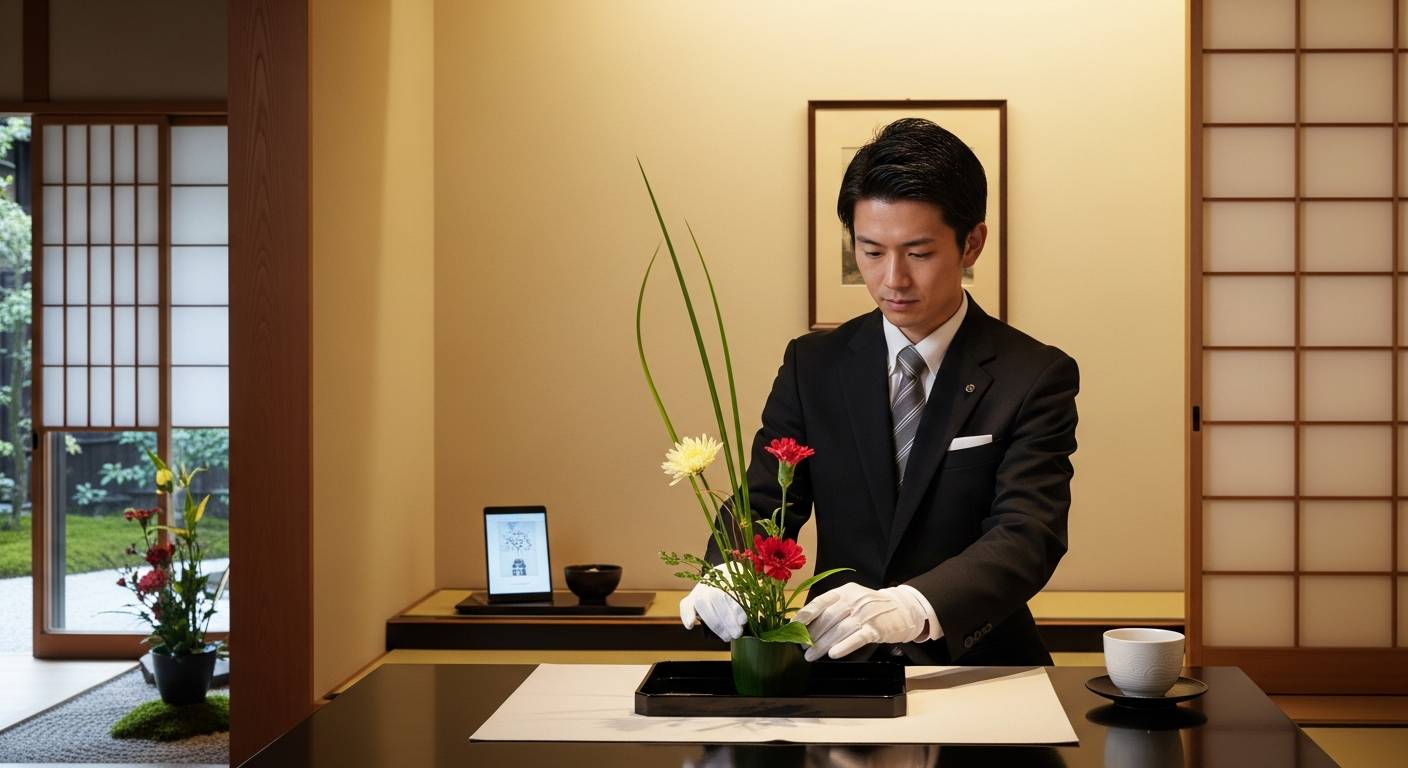
Training programs for Japanese butlers are notably more rigorous and comprehensive than many Western equivalents. Companies like Nihon Butler School and Tokyo Butler Academy implement intensive curriculums that balance technical skills with cultural nuances. These programs typically extend beyond standard service protocols to include tea ceremony mastery, ikebana (flower arrangement), and traditional arts—providing graduates with a multidimensional skill set that elevates the entire service experience.
The Japanese commitment to “kaizen” (continuous improvement) also distinguishes their butler services. Rather than adhering to fixed standards, Japanese butlers constantly refine their techniques and adapt to evolving client expectations. This progressive approach ensures service quality never stagnates but rather continues to develop and improve over time.
Another crucial difference lies in attention to detail. Japanese butlers are trained to observe and remember minute client preferences—from the exact temperature of morning coffee to the precise fold of evening newspapers. Leading service providers like Blanc Butlers in Tokyo have developed sophisticated systems for tracking and implementing these preferences across their entire staff, ensuring consistency even when different team members interact with the client.
The organizational structure supporting Japanese butlers also contributes to their effectiveness. Rather than operating in isolation, Japanese butlers often work within collaborative teams with clearly defined responsibilities. This team-based approach enables comprehensive coverage of client needs while maintaining the personalized touch that defines exceptional butler service.
Cultural values of respect and humility further enhance the Japanese butler experience. Unlike some Western approaches that may emphasize the butler’s expertise or authority, Japanese service professionals prioritize client comfort above all else. This client-centered philosophy manifests in subtle ways—from body language to tone of voice—creating an atmosphere of respectful attentiveness rather than overt formality.
For those seeking to experience this distinctive approach to service, premium establishments like The Peninsula Tokyo and Aman Tokyo offer butler services that exemplify the Japanese formula. These properties have successfully integrated traditional Japanese hospitality principles with modern luxury expectations, creating a service standard that continues to influence hospitality practices worldwide.
3. From Omotenashi to Excellence: Inside Japan’s Revolutionary Butler Training Methods
Japanese butler training goes far beyond the basics of service etiquette, incorporating the nation’s famous “omotenashi” principles into a comprehensive system that produces some of the world’s most sought-after service professionals. At prestigious institutions like the Japan Butler Association (JBA) in Tokyo, aspiring butlers undergo rigorous training that merges traditional Western butler techniques with distinctly Japanese service philosophies.
The training begins with understanding the spiritual foundation of omotenashi—anticipating needs before they’re expressed, showing genuine care without expectation of reward, and maintaining absolute discretion. This mindset forms the cornerstone upon which technical skills are built. Unlike Western approaches that might prioritize procedure, Japanese methods emphasize psychological awareness and emotional intelligence.
At the International Butler Academy Japan, students participate in “mindfulness service” exercises, where they learn to read subtle environmental cues and body language. This training allows them to anticipate client needs with remarkable accuracy. The curriculum includes traditional tea ceremony practices, not merely to perfect the ritual itself but to cultivate the mental discipline required for flawless service delivery.
Technical training is equally comprehensive. Butlers-in-training master everything from the perfect 45-degree bow to invisible table service techniques where dishes seem to appear and disappear without notice. The Kanto Butler School’s signature “shadow method” teaches students to maintain a constant awareness of their presence—visible when needed, invisible when not—a technique that has been adopted by luxury establishments worldwide.
The efficiency component cannot be overstated. Japanese butler training emphasizes maximizing service quality while minimizing intrusion, a delicate balance that foreign trainees often find most challenging to master. At the Tokyo Butler Institute, students practice timed room preparations, learning to transform spaces with mathematical precision while working within strict time constraints.
What truly distinguishes Japanese butler training is its integration of technological competence. Modern Japanese butlers are trained in digital security protocols, smart home systems management, and even basic programming to customize service applications. This forward-thinking approach ensures butlers remain relevant in an increasingly tech-centric luxury ecosystem.
The results speak for themselves. Graduates from Japanese butler academies command premium salaries at establishments like the Ritz-Carlton Tokyo and Park Hyatt Tokyo, while others secure positions with ultra-high-net-worth individuals globally. Many return as instructors, creating a self-reinforcing cycle of excellence that continues to elevate the profession.
For anyone seeking to understand how Japan has revolutionized the traditional butler role, one need only look at the methodical training system that transforms service into an art form—where efficiency and luxury coexist not as competing values, but as complementary elements of the perfect service experience.