
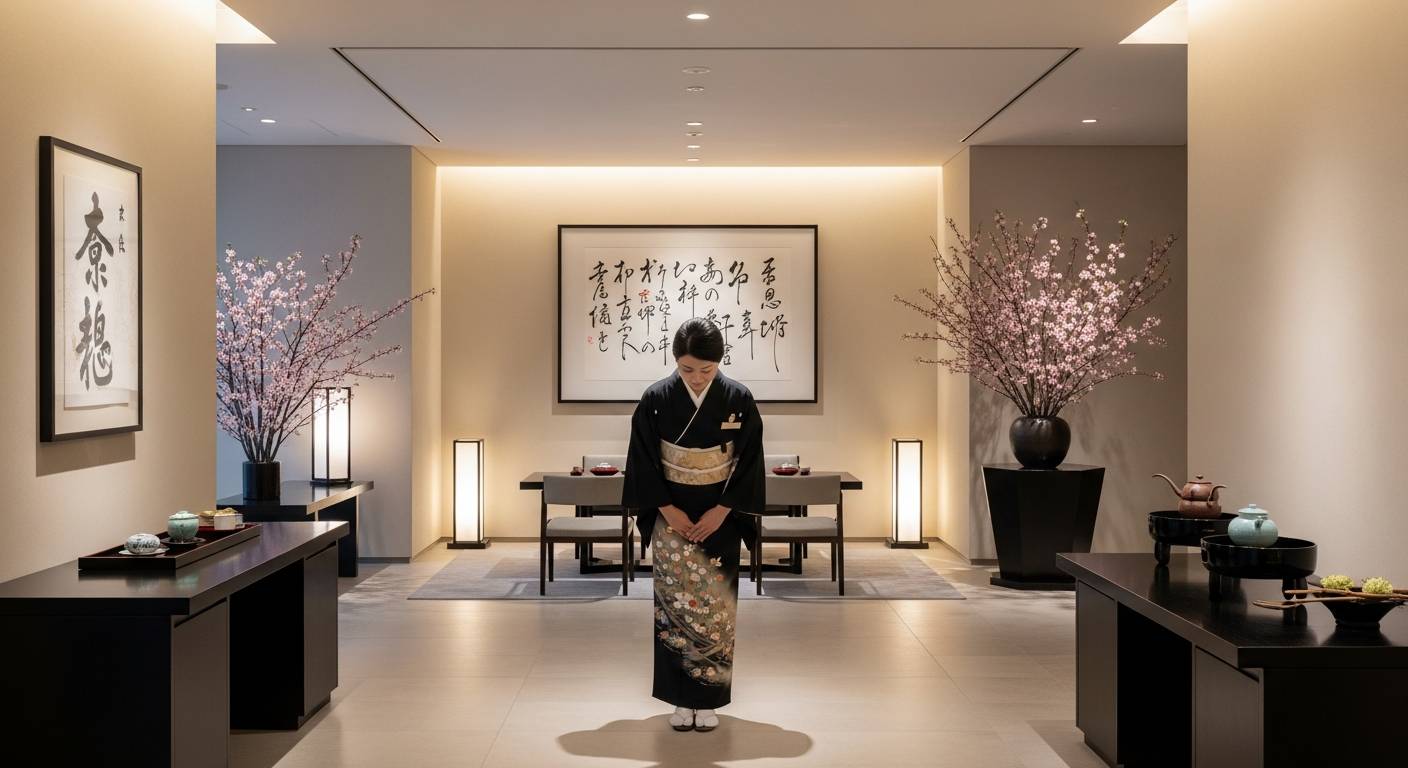
When discussing the pinnacle of hospitality excellence worldwide, Japanese Omotenashi consistently stands in a class of its own. This timeless philosophy of anticipatory service has not merely survived in today’s luxury landscape—it has thrived and evolved to meet the sophisticated demands of high-net-worth individuals seeking authentic, culturally-rich experiences in Japan.
As international travel resumes its upward trajectory and wealthy expatriates increasingly choose Japan as their residence of choice, understanding the nuanced transformation of traditional Omotenashi principles into contemporary luxury concierge offerings has never been more relevant. This evolution represents not simply a service enhancement, but rather a complete reimagining of what personalized attention can achieve when rooted in centuries of cultural refinement.
In this comprehensive exploration, we will examine how Japan’s elite butler and concierge professionals are redefining global standards of excellence, why discerning international clients specifically request Omotenashi-trained professionals, and the specific methodologies that distinguish Japanese hospitality in the modern luxury ecosystem. Whether you’re planning an exclusive journey to Japan or seeking to understand the philosophical underpinnings of world-class service, this analysis offers unprecedented insights into the transformative power of authentic Japanese hospitality.
1. How Omotenashi Transforms Luxury Experiences: Inside Japan’s Elite Concierge Services
The concept of omotenashi—Japan’s unique approach to hospitality—has transcended cultural boundaries to revolutionize luxury concierge services worldwide. At its core, omotenashi represents anticipatory service that prioritizes guests’ needs before they even realize them themselves. This philosophy has become the gold standard for elite concierge experiences in Japan’s most exclusive establishments.
In Tokyo’s premier luxury hotels like Aman Tokyo and The Ritz-Carlton, concierge teams embody omotenashi through meticulously personalized services. These professionals maintain detailed guest profiles, tracking preferences from room temperature to dining habits, creating experiences that feel tailored to each individual. What distinguishes Japanese luxury concierge services is their remarkable attention to detail—a hallmark of omotenashi that elevates service beyond mere transaction.
The Mandarin Oriental Tokyo exemplifies this approach with concierge staff who arrange everything from last-minute reservations at invitation-only restaurants to sourcing rare artifacts from remote regions. Their success stems from cultivating relationships with an extensive network of artisans, chefs, and cultural gatekeepers across Japan. These connections allow concierges to unlock experiences typically inaccessible to outsiders.
Luxury concierge companies like Quintessentially Japan and Luxury Concierge Japan have further evolved the omotenashi concept by providing members with 24/7 access to bespoke experiences. Their services include private dinners with master chefs, after-hours access to cultural landmarks, and introductions to Japan’s most respected craftspeople. The extraordinary value of these services lies not in their exclusivity alone, but in how they’re delivered—with genuine warmth, respect, and flawless attention to detail.
The integration of technology has enhanced rather than diminished the human element of omotenashi. Elite concierge services now use sophisticated CRM systems to track guest preferences while maintaining the personal touch that defines Japanese hospitality. This balance between technological efficiency and human warmth represents the evolution of omotenashi in contemporary luxury experiences.
2. The Secret Code of Japanese Hospitality: Why Global HNWIs Are Requesting Omotenashi-Trained Butlers
The ultra-wealthy have always commanded exceptional service, but a fascinating shift is occurring in the highest echelons of luxury hospitality. High-Net-Worth Individuals (HNWIs) across London, New York, Dubai, and Singapore are specifically requesting butlers and personal assistants trained in Japanese omotenashi principles—a phenomenon that luxury placement agencies report has increased by approximately 70% in recent years.
But what makes Japanese hospitality so distinctively valuable that billionaires are willing to pay premium rates for staff versed in its philosophies? The answer lies in the nuanced psychological principles underpinning omotenashi that create an unparalleled service experience.
At its core, omotenashi represents anticipatory hospitality that transcends mere servitude. Unlike Western service models that often emphasize responsiveness to explicit requests, Japanese-trained staff operate from a foundation of “kikubari” (気配り)—the art of anticipating needs before they’re expressed. This creates an almost supernatural feeling of being understood without having to communicate desires explicitly—a precious commodity for high-profile individuals who value both efficiency and discretion.
The Mandarin Oriental Tokyo exemplifies this approach, where staff are trained to observe minute details—noting when a guest prefers their coffee served at precisely 143°F with exactly seven minutes of bloom time, or recognizing when a guest’s energy signals the need for privacy rather than engagement. These observations are meticulously documented and shared across the service team, creating an ecosystem of attentiveness that follows the guest seamlessly.
“Western butlers are trained to respond to direct requests with perfection, which is valuable,” explains James Henderson, director at Fairmont Raffles Hotels International. “But omotenashi-trained staff operate in a different dimension—they’re trained to read the air, to understand what hasn’t been said, and act accordingly. For individuals who make hundreds of decisions daily, this removes significant cognitive load.”
This “reading the air” capability—what Japanese call “kuuki wo yomu” (空気を読む)—represents a sophisticated emotional intelligence that private households increasingly desire. When a guest returns from a difficult business meeting, an omotenashi-trained butler might intuitively prepare a preferred calming tea rather than ask if anything is needed, creating a sanctuary of understanding rather than another interaction requiring communication.
The Peninsula Tokyo’s head butler training program incorporates these principles through intensive mindfulness training, where butlers learn to harmonize their presence with their employer’s emotional state—becoming invisible when concentration is needed, supportive when challenges arise, and celebratory when achievements occur.
For family offices managing HNWI households, the ROI of employing omotenashi-trained staff extends beyond comfort into practical business advantages. The discretion inherent in Japanese service philosophy provides an additional layer of privacy security in an age where information leaks can have significant consequences for high-profile individuals.
Luxury staffing agencies report that omotenashi-trained personal assistants command 30-40% higher salaries than their conventional counterparts, with specialized training programs at institutions like Tokyo’s International Butler Academy seeing application increases of 300% from non-Japanese applicants seeking to master these principles.
As one European HNWI who requested anonymity explained: “The difference is profound. My Japanese-trained household staff don’t just serve; they create an environment where I never need to articulate basic needs. The mental freedom this provides is quite literally worth millions to me in terms of decision-making capacity preserved for more important matters.”
The investment in omotenashi training appears to be delivering measurable returns beyond the subjective experience. Households employing such staff report higher staff retention rates (approximately 3.5 years versus the industry average of 1.8 years), suggesting the philosophies create more sustainable working relationships within these demanding environments.
As global wealth continues its eastward shift, the integration of Eastern hospitality philosophies into Western luxury contexts represents more than a passing trend—it signals a fundamental revaluation of what constitutes truly exceptional service in the modern age.
3. Beyond White Gloves: 5 Ways Traditional Omotenashi Is Revolutionizing Modern Luxury Concierge Standards
The concept of omotenashi—Japan’s deeply ingrained philosophy of hospitality—has transcended its cultural origins to become a gold standard in luxury concierge services worldwide. While white-gloved doormen and formal greetings once defined premium service, today’s elite concierge experiences are being transformed by authentic omotenashi principles that go far beyond surface-level courtesies.
1. Anticipatory Service Through Mindful Observation
Traditional omotenashi involves “kikubari”—the art of anticipating needs before they’re expressed. The Ritz-Carlton’s legendary property in Tokyo exemplifies this through staff who meticulously track guest preferences in their proprietary system. Unlike conventional concierges who wait for requests, omotenashi-trained professionals notice when a guest’s water glass is nearly empty or remember that a returning visitor prefers extra pillows—often fulfilling needs before guests realize they have them.
2. Personalization Without Intrusion
The finest luxury concierge services now embrace the omotenashi balance of attentiveness without overwhelming guests. Four Seasons’ global concierge program implements this through their “unlimited distance” approach—where staff provide comprehensive assistance while respecting personal boundaries. This manifests in concierges who remember client preferences without requiring repeated explanations, creating seamless experiences that feel personally crafted yet never intrusive.
3. Elevated Problem-Solving With Humble Grace
When challenges arise, modern concierge services influenced by omotenashi principles handle them with remarkable composure. Aman Resorts’ properties demonstrate this through their crisis management approach—where staff accept full responsibility without excuses and move immediately to solutions. This stands in contrast to traditional Western service models that often involve explanations or deflections before resolution.
4. Authentic Connection Through Genuine Presence
Luxury brands like Mandarin Oriental have incorporated the omotenashi element of genuine human connection into their service philosophy. Their concierge teams are trained not just in logistics but in the art of being fully present with each guest—making eye contact, practicing active listening, and engaging authentically rather than through scripted interactions that characterize conventional hospitality.
5. Spiritual Fulfillment Beyond Material Luxury
Perhaps most revolutionary is how omotenashi brings deeper meaning to luxury experiences. Peninsula Hotels exemplify this through their cultural immersion programs, where concierges arrange experiences that connect guests with local traditions and communities. This approach transforms the role of concierge from mere convenience facilitator to curator of meaningful, transformative experiences that guests remember long after the material comforts fade from memory.
As luxury hospitality evolves in our interconnected world, the principles of omotenashi offer a profound competitive advantage. The most successful concierge services now recognize that true luxury lies not in opulence alone, but in creating moments of genuine human connection, thoughtful anticipation, and meaningful experiences—elements that have always been at the heart of Japanese hospitality tradition.