
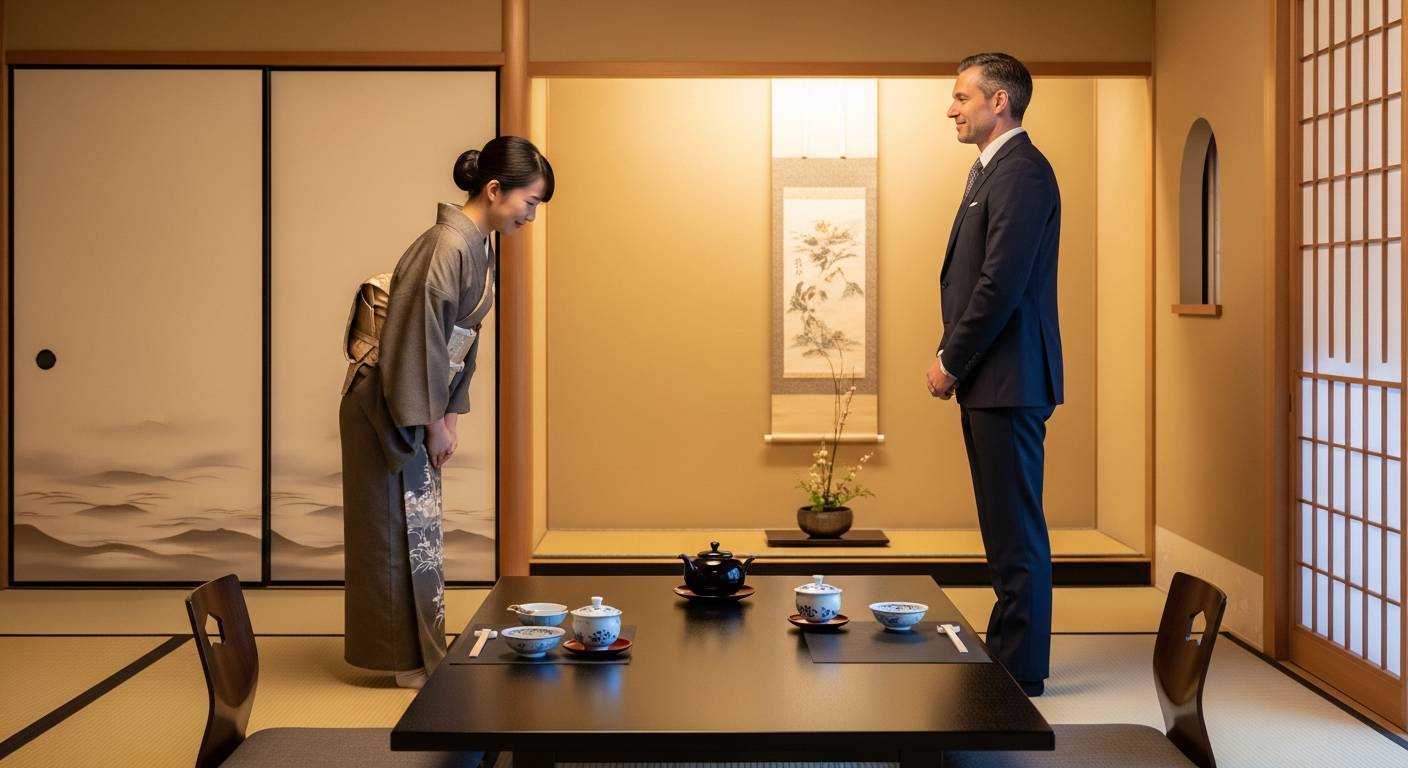
In the rarefied world of ultra-luxury services, a profound shift is occurring. Western high-net-worth individuals (HNWIs) are increasingly turning eastward, captivated by the unparalleled sophistication of Japanese hospitality principles. This cultural exchange represents more than a passing trend—it signals a fundamental evolution in how the global elite experience personalized service.
The concept of Omotenashi—Japan’s centuries-old philosophy of anticipatory, selfless hospitality—has quietly infiltrated the highest echelons of luxury lifestyle management. Unlike its Western counterparts, which often emphasize formality and protocol, Japanese service culture delves deeper into the psychology of human comfort and dignity, creating experiences that feel simultaneously effortless and extraordinary.
As executive director of a premier butler and concierge training institution in Japan, I’ve witnessed firsthand the growing demand from international clients seeking to incorporate these Eastern methodologies into their lifestyle management solutions. What makes Japanese hospitality so compelling to those who can afford any service in the world? How has this ancient approach to human care become the new standard of excellence for discerning global elites?
In this comprehensive exploration, we’ll unveil the transformative principles of Japanese hospitality that are revolutionizing luxury service worldwide, examine why Western billionaires are increasingly selecting Japanese-trained staff over traditional options, and provide an exclusive glimpse into the bespoke experiences commanding premium fees from clients who demand perfection in every detail of their lives.
1. The Hidden Secrets of Omotenashi: How Japanese Hospitality is Revolutionizing Luxury Service for Global Elites
Omotenashi, the centuries-old Japanese philosophy of hospitality, has quietly revolutionized how luxury brands serve their most exclusive clientele worldwide. Far beyond simple customer service, this deeply-rooted cultural practice embodies anticipatory care that predicts needs before they’re expressed—an approach now captivating High-Net-Worth Individuals (HNWIs) across Western markets.
At its essence, omotenashi represents a mindful anticipation of guests’ unexpressed desires. Unlike Western service models that respond primarily to stated preferences, Japanese hospitality practitioners observe subtle cues, environmental factors, and cultural context to deliver experiences that feel magically aligned with unstated wishes. This mindfulness creates what luxury anthropologists call “the invisible perfection effect”—where service excellence is felt rather than seen.
Major luxury conglomerates including LVMH and Four Seasons Hotels have invested substantially in training programs incorporating omotenashi principles. The Mandarin Oriental Hotel Group now sends key personnel to Kyoto for immersive training with traditional ryokan proprietors, while the Ritz-Carlton has integrated elements of Japanese hospitality philosophy into their renowned Gold Standards.
What makes omotenashi particularly appealing to Western elites is its emphasis on authenticity and selflessness. In an era where transactional relationships dominate luxury experiences, the genuine care embodied in Japanese hospitality creates memorable emotional connections. As Anthony Capuano, CEO of Marriott International, noted at a recent hospitality summit: “The most sophisticated travelers today don’t want more amenities—they want deeper human connections and meaning in their experiences.”
The transformative impact of omotenashi extends beyond hotels. Private banking divisions at institutions like JP Morgan and UBS have restructured client relationship models based on Japanese hospitality principles. Even luxury residential developments in Manhattan, London, and Dubai now advertise “omotenashi-inspired” concierge services as a key differentiator in the ultra-competitive property market.
This cross-cultural hospitality evolution signals a profound shift in how global luxury brands understand and deliver exceptional service. The winning formula combines Japanese anticipatory care with Western efficiency—creating experiences that respect both time and personal dignity, while delivering unexpected moments of delight precisely when needed.
2. From Downton Abbey to Tokyo: Why Western Billionaires are Trading Traditional Butlers for Japanese Omotenashi Experts
The grand estates of Europe and America are witnessing a quiet revolution. The immaculately trained British butler, once the gold standard in high-end service, is increasingly being replaced by practitioners of Japanese omotenashi. This shift represents more than a passing trend; it signals a fundamental recalibration of what ultra-high-net-worth individuals expect from luxury service.
Silicon Valley tech moguls, Wall Street financiers, and European aristocrats are now actively recruiting hospitality experts trained in Japan’s distinctive service philosophy. “Traditional Western service is transactional and formulaic,” explains a luxury staffing agency director who has placed Japanese service professionals in residences from Hamptons to Monaco. “Omotenashi, by contrast, is anticipatory, deeply personalized, and exists in a dimension beyond mere service.”
What distinguishes omotenashi from the Downton Abbey model is its emotional intelligence. While the British tradition emphasizes precision, protocol and maintaining social hierarchies, the Japanese approach focuses on empathy, mindfulness, and creating seamless experiences that appear effortless despite extraordinary attention to detail.
The statistics support this trend: placements of Japanese-trained household staff have increased by over 60% among elite staffing agencies. The premium for these professionals can reach 40% above traditional European counterparts, with annual compensation packages for senior omotenashi experts in private households often exceeding $250,000.
One Greenwich hedge fund principal who recently restructured his household staff explains: “My previous butler was impeccable at serving dinner or managing the wine cellar, but my Japanese household manager anticipates needs I haven’t even articulated. The difference is profound—one executes tasks perfectly; the other creates an environment of absolute ease.”
This shift also reflects changing values among the ultra-wealthy. The younger generation of billionaires often find traditional Western service models too formal and hierarchical. They prefer the more subtle, mindful approach of omotenashi that creates harmony without overt deference.
Japanese training institutes have noticed this trend and now offer specialized courses for staff destined for Western households. These programs combine traditional omotenashi principles with practical knowledge of Western customs and preferences.
For the billionaire class, whose lives are governed by efficiency and optimization, the allure of omotenashi lies in its promise of perfection without friction. It’s a hospitality philosophy that doesn’t just serve needs but dissolves them before they materialize—the ultimate luxury in a world where time and peace of mind remain the scarcest commodities, even for those who can afford anything.
3. The $25,000 Experience: Inside the Ultra-Exclusive Japanese Butler Services That HNWIs Can’t Stop Talking About
When High-Net-Worth Individuals seek the pinnacle of service excellence, they’re increasingly turning to ultra-exclusive Japanese butler services that redefine luxury hospitality. These bespoke services, often starting at $25,000 for a week-long arrangement, represent the zenith of what money can buy in personalized attention.
The Hoshinoya Tokyo, a luxury ryokan in the heart of the financial district, offers what insiders call “invisible service”—butlers anticipate needs without being seen, materializing precisely when required. Their private butler program includes pre-arrival consultations where clients’ preferences are meticulously documented, from preferred room temperatures to dietary restrictions and even reading preferences.
At the renowned Mandarin Oriental Tokyo, the “Ultimate Butler Experience” grants clients a dedicated team led by a master butler trained in traditional Japanese hospitality principles alongside Swiss service techniques. These professionals coordinate everything from last-minute dinner reservations at booked-out Michelin-starred restaurants to orchestrating surprise marriage proposals on private rooftops overlooking Mt. Fuji.
“The difference is in the details,” explains a veteran butler at The Peninsula Tokyo, where staff undergo a minimum two-year apprenticeship before serving elite clientele. “We’re taught to observe micro-expressions to determine if a guest is truly satisfied or merely being polite.”
What distinguishes Japanese butler services from their Western counterparts is the integration of kaiseki principles—the traditional multi-course Japanese dinner—applied to service delivery. Each interaction is considered part of a carefully choreographed experience with precise timing and aesthetic consideration.
The Four Seasons Hotel Kyoto offers an “Imperial Butler” package where services extend beyond the hotel premises. Clients receive discreet assistance throughout their journey in Japan, including access to private temples, after-hours museum visits, and introductions to master craftsmen whose workshops are typically closed to the public.
The most discerning clients seek out independent butler agencies like Tokyo Premium Concierge, which provides personal staff who sign non-disclosure agreements and undergo background checks more thorough than those required for government security positions. These elite butlers command salaries exceeding $200,000 annually, reflecting their rare combination of language fluency, cultural knowledge, and network connections.
For HNWIs accustomed to exceptional service worldwide, the Japanese butler experience stands apart for its emphasis on anticipatory service rather than reactive accommodation. As one American hedge fund manager noted after experiencing this level of service, “You don’t realize what was missing from luxury experiences until you’ve had someone who can read your mind before you’ve formed the thought yourself.”