
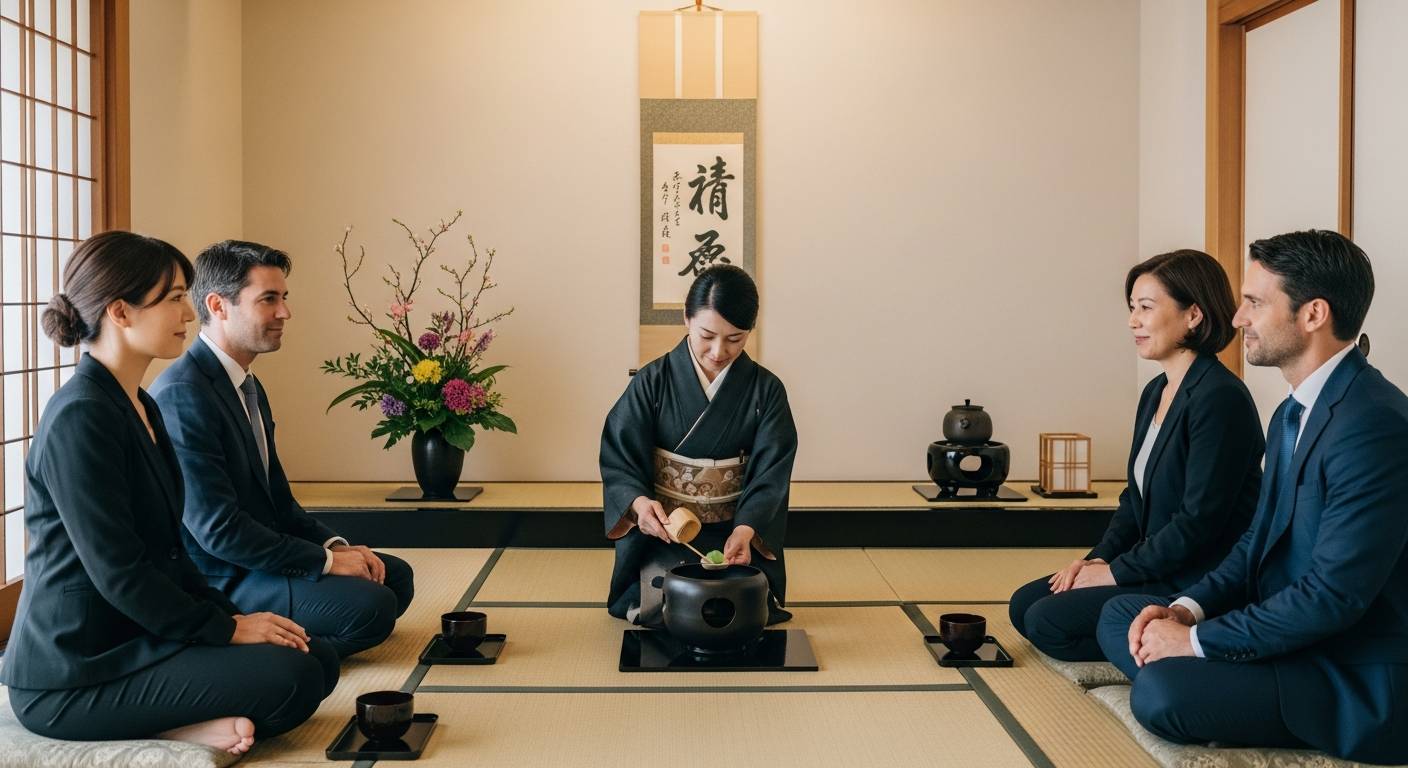
In today’s fast-paced global luxury landscape, discerning High-Net-Worth Individuals (HNWIs) are increasingly seeking authentic, transformative experiences that transcend ordinary service. Japan, with its centuries-old tradition of “Omotenashi” – a unique philosophy of hospitality that prioritizes anticipation, mindfulness, and selfless dedication – has emerged as the gold standard for elite service worldwide. This blog explores why Japan’s distinctive approach to luxury butler and concierge services has become the secret passion of billionaires, tech moguls, and royal families across the globe.
From the meticulous attention to detail that characterizes Japanese butler services in Tokyo’s most exclusive residences to the invisible yet omnipresent support of elite concierge professionals, we’ll unveil the sophisticated world that wealthy expatriates and visitors experience when they engage with true Japanese hospitality professionals. Whether you’re planning your next luxury journey to Japan or simply fascinated by the cultural phenomena driving luxury lifestyle trends, this insider’s perspective will reveal why Japan Butler & Concierge services have become indispensable for those who demand nothing but excellence.
1. 5 Exclusive Elements of Japanese Omotenashi That Have Captivated Global Billionaires
Japanese “Omotenashi” has emerged as the gold standard of luxury hospitality, drawing High-Net-Worth Individuals (HNWIs) from across the globe seeking experiences that transcend conventional luxury. This uniquely Japanese approach to service has fascinated even the most discerning billionaires who have experienced hospitality worldwide. What exactly makes this cultural phenomenon so compelling to the elite?
The first element that distinguishes Japanese Omotenashi is anticipatory service. Unlike Western luxury establishments where requests must be made, Japan’s premier ryokans like Gora Kadan in Hakone practice the art of anticipating needs before they arise. Staff members meticulously observe guests’ behaviors and preferences, adjusting services accordingly without verbal communication—a level of attentiveness that has particularly impressed tech magnates from Silicon Valley who value efficiency and seamlessness.
Second, the dedication to craftmanship pervades every interaction. At establishments like Kagaya in Ishikawa Prefecture, service isn’t merely a transaction but an art form refined over generations. From the precise 45-degree bow to the choreographed placement of tableware, every movement reflects decades of training. This commitment to perfection resonates deeply with self-made billionaires who recognize the discipline required to master any craft.
The third element is authentic personalization that surpasses the algorithmic approaches of Western luxury. The Mandarin Oriental Tokyo exemplifies this by creating bespoke experiences that reflect genuine understanding of each guest’s cultural background and preferences. This might include commissioning traditional craftsmen to create personalized gifts that reflect the guest’s aesthetic sensibilities—a gesture that wealth management moguls particularly appreciate for its thoughtful individualization.
Fourth, Japanese Omotenashi embraces the concept of “invisible service.” Unlike the often intrusive attention found elsewhere, luxury establishments like Hoshinoya Tokyo perfect the art of maintaining proximity while remaining unobtrusive. Staff appear precisely when needed and vanish when privacy is desired, creating an atmosphere where billionaires—accustomed to constant attention—can experience genuine relaxation without performance or pretense.
Finally, the spiritual dimension of Omotenashi provides something many global elites find increasingly valuable: mindfulness and presence. Places like Beniya Mukayu in Kanazawa incorporate philosophical elements of Zen into their service approach, encouraging guests to experience the present moment fully through meticulously designed environments and interactions. This spiritual aspect offers something that money alone cannot buy—authentic tranquility and meaning—particularly appealing to affluent individuals seeking respite from high-pressure business environments.
These elements combine to create experiences that transcend conventional notions of luxury, explaining why private jets from around the world regularly land in Japan carrying those seeking to experience the profound authenticity and exceptional care that defines true Omotenashi.
2. Why Japanese Butler Services Are the Secret Weapon of the Ultra-Wealthy in Tokyo
The ultra-wealthy who frequent Tokyo have discovered what many consider the pinnacle of personalized service: Japanese butler services. These bespoke concierge professionals are rapidly becoming indispensable to High-Net-Worth Individuals (HNWIs) seeking the ultimate luxury experience in Japan’s capital.
Japanese butlers represent a fascinating fusion of traditional Western butler protocols and distinctly Japanese hospitality principles. Their meticulous attention to detail surpasses global standards, with services customized to anticipate needs before they’re even expressed. While traditional European butlers focus on household management, Japanese butlers expand their repertoire to include cultural navigation, business facilitation, and social orchestration.
At prestigious establishments like the Ritz-Carlton Tokyo and Palace Hotel Tokyo, butlers undergo rigorous training that combines international standards with Japanese omotenashi principles. The result is a service professional who not only manages logistics flawlessly but does so with cultural authenticity that wealthy travelers find irreplaceable.
“Japanese butlers possess an uncanny ability to read the room,” explains a hospitality consultant who trains staff for Tokyo’s most exclusive properties. “They understand the unspoken expectations of global elites while delivering service with Japanese precision and discretion.”
For ultra-wealthy visitors, these butlers serve as cultural translators who can secure reservations at invitation-only restaurants, arrange private viewings at art galleries after hours, and coordinate meetings with inaccessible business leaders. Their black books of contacts often represent decades of carefully cultivated relationships within Japan’s notoriously private luxury circles.
The economic investment in such service is substantial. Private butler services in Tokyo typically start at $1,000 per day, with specialized requests commanding significantly higher premiums. For full-time residential butlers serving foreign homeowners in Tokyo’s Minato or Shibuya districts, annual compensation packages easily exceed $150,000.
What distinguishes Japanese butler services is their seamless integration of technology with traditional service. Many utilize custom apps that track client preferences while maintaining the human touch that defines omotenashi. They navigate the complexity of Japan’s formality-driven society while creating experiences that feel both authentic and exclusive for their elite clientele.
For those in the ultra-luxury segment, Japanese butler services represent not merely convenience but competitive advantage. Access to Japan’s most exclusive experiences—from private tea ceremonies with national treasures to after-hours access to cultural landmarks—provides social and business capital that money alone cannot buy.
3. Inside the Elite World of Japanese Concierge Services: What HNWIs Know That You Don’t
The world of Japanese concierge services exists on a level few will ever experience. High Net Worth Individuals (HNWIs) have discovered something extraordinary in Japan’s approach to luxury service – a refined ecosystem where nothing is impossible and every detail is meticulously considered.
At the pinnacle of Japanese concierge offerings are boutique agencies like Quintessentially Japan and Luxurique, which operate almost invisibly to the general public while providing their elite clientele with experiences most can only imagine. These services extend far beyond standard hotel concierge capabilities, offering everything from securing reservations at invitation-only restaurants to arranging private viewings of national treasures normally closed to visitors.
What separates Japanese concierge services from their global counterparts is their deep cultural understanding of anticipatory hospitality. The concept of “saki-yomi” – reading ahead – means true luxury service in Japan involves predicting needs before they’re expressed. One Tokyo-based concierge shared how they arranged a specific room temperature, fragrance, and music selection for a returning client based solely on observing preferences during a previous visit – without the client ever making a request.
The financial investment required for these services reflects their exclusivity. Membership tiers often start at $10,000 annually and climb significantly higher for dedicated personal concierge arrangements. Yet for HNWIs, this represents value rather than expense when considering the otherwise inaccessible opportunities created.
The networking advantage these services provide cannot be overstated. Japan’s business culture places tremendous importance on proper introductions, and elite concierge services function as trusted intermediaries who can facilitate connections to Japan’s most influential circles. This aspect alone makes these services invaluable to international HNWIs seeking to establish meaningful relationships in Japan.
Perhaps most compelling is how these concierge providers transform the concept of luxury itself – moving beyond material extravagance toward experiences of profound cultural significance. Whether arranging an audience with a legendary sword maker or creating a private tea ceremony with a 15th-generation tea master, these experiences represent a form of access that transcends what money alone can buy.