
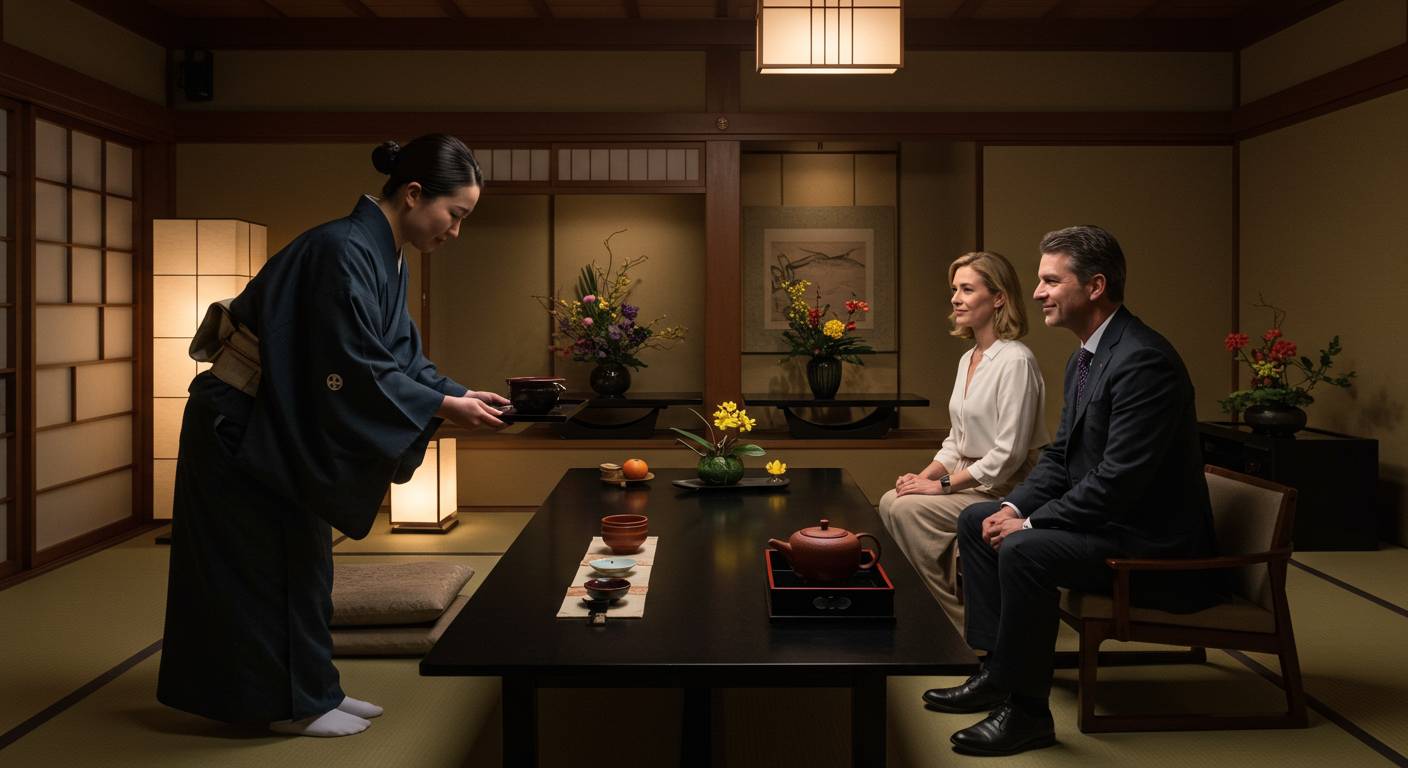
In the rarefied world of luxury experiences, discerning high-net-worth individuals (HNWIs) are increasingly turning their attention to Japan—not just for its technological innovations or cultural treasures, but for something far more intangible yet profoundly impactful: the art of Japanese Omotenashi. This centuries-old philosophy of hospitality transcends mere service excellence, creating deeply personalized experiences that anticipate needs before they’re expressed. As global affluence rises and experiential luxury outpaces material acquisitions, Japan’s distinctive approach to guest relations has captured the imagination of the world’s elite. This comprehensive exploration delves into why Omotenashi has become the new luxury benchmark, how it differs fundamentally from Western hospitality models, and why those who experience authentic Japanese butler and concierge services often find Western luxury lacking by comparison. Whether you’re a frequent visitor to Japan seeking to understand the subtle magic behind the service you’ve encountered, or a luxury professional curious about the principles elevating Japanese hospitality to unprecedented heights, this analysis reveals the sophisticated cultural codes and meticulous attention that make Omotenashi the most coveted service philosophy among the global ultra-wealthy today.
1. Inside the Elite World of Japanese Omotenashi: How This Ancient Philosophy Captivates the Global Ultra-Wealthy
The concept of “Omotenashi” has emerged as Japan’s most coveted luxury export—an intangible yet profoundly impactful cultural philosophy that’s reshaping how ultra-high-net-worth individuals experience hospitality worldwide. This isn’t merely about excellent service; it’s an immersive art form that transcends typical luxury expectations and has become the new status symbol among global elites.
At its essence, Omotenashi represents anticipatory hospitality where needs are met before they’re expressed—a seamless dance of intuitive care that appears effortless yet requires decades of disciplined practice. For the global elite, this presents a refreshing departure from the often transactional nature of Western luxury services. At establishments like Hoshinoya Tokyo or The Ritz-Carlton Kyoto, staff members don’t simply respond to requests—they anticipate desires with an almost supernatural precision.
What particularly captivates high-net-worth individuals is the authenticity and depth behind these experiences. Unlike manufactured luxury settings designed merely to project exclusivity, Japanese Omotenashi emerges from centuries of cultural refinement. Each gesture—from the precise 45-degree bow to the meticulous tea ceremony—carries historical significance that resonates with sophisticated travelers seeking meaning beyond material displays of wealth.
Financial leaders from Wall Street to the City of London are increasingly scheduling private Omotenashi experiences, where exclusivity reaches new heights. These bespoke arrangements might include private access to Michelin-starred kaiseki restaurants like Kitcho in Kyoto, where Chef Kunio Tokuoka personally curates multi-hour dining journeys, or exclusive stays at traditional ryokans where guests experience one-on-one attention from dedicated attendants throughout their stay.
The appeal extends beyond the service itself to the philosophical underpinnings that align with the mindset of many successful individuals. Omotenashi embraces the concept of “ichigo ichie”—each encounter happens only once in a lifetime—which resonates deeply with those who understand the value of presence and singular moments amidst busy global schedules.
For Japan’s luxury hospitality sector, this cultural heritage has become an unparalleled competitive advantage. Properties like Aman Tokyo and Four Seasons Kyoto have integrated these principles into their operational DNA, creating environments where every interaction feels personally crafted rather than procedurally delivered. This distinction explains why these properties maintain waiting lists despite commanding nightly rates that frequently exceed $2,000 for standard accommodations.
The global ultra-wealthy aren’t just passive recipients of this philosophy—many are actively studying it. Private masterclasses in Omotenashi principles have emerged as exclusive experiences for CEOs and entrepreneurs looking to incorporate these attention-to-detail approaches into their own business practices and personal philosophies.
As luxury experiences become increasingly homogenized globally, authentic Omotenashi stands apart because it cannot be replicated through staff training manuals or service protocols alone. It represents a lifetime commitment to perfection in human connection—perhaps the rarest luxury in our digital age, and precisely why it has captured the imagination of those who can afford anything but are increasingly searching for experiences that money alone cannot buy.
2. From Personal Butlers to Invisible Service: The 5 Elements of Japanese Omotenashi That HNWIs Can’t Get Enough Of
High-Net-Worth Individuals (HNWIs) have experienced luxury service worldwide, but Japanese omotenashi continues to stand apart as the gold standard in hospitality. This unique approach to service has become a powerful draw for affluent travelers seeking authentic experiences beyond material luxury. Here are the five elements of Japanese omotenashi that particularly resonate with discerning HNWIs:
1. Anticipatory Service**
Japanese hospitality excels at anticipating needs before they’re expressed. At Ryokan Kurashiki in Okayama, staff observe subtle cues to prepare your bath at the perfect temperature without asking, or replace slippers that show even minimal wear. This mindset extends to luxury hotels like Aman Tokyo, where staff remember your preference for sparkling water with three ice cubes and a slice of lemon, serving it precisely that way throughout your stay without prompting.
2. Meticulous Attention to Detail**
The level of precision in Japanese luxury service is unmatched. At Hoshinoya Tokyo, kimonos are pressed with such care that not a single wrinkle is visible, while seasonal flowers are arranged to create harmony with the surrounding architecture. At Mandarin Oriental Tokyo, housekeeping staff measure the exact 45-degree angle to fold toilet paper corners and align amenities with mathematical precision.
3. The Concept of “Invisible Service”**
Perhaps most fascinating to HNWIs is the Japanese concept of “miezaru service” (invisible service). Unlike Western luxury that often emphasizes visible staff presence, Japanese omotenashi values service that feels effortless and unobtrusive. At The Peninsula Tokyo, rooms seem to magically refresh themselves during brief absences, with staff timing their service to avoid disturbing guests. This subtle approach creates an atmosphere of tranquility highly valued by those accustomed to high-pressure environments.
4. Personal Connection Through Respect**
Japanese hospitality creates meaningful connections through profound respect rather than familiarity. At Tawaraya Ryokan in Kyoto, operating for over 300 years, staff maintain formal keigo (honorific language) while creating deeply personal experiences. Kaiseki meals are adjusted to individual preferences noted from previous visits, sometimes years apart, demonstrating remarkable institutional memory.
5. The Rejection of Tipping Culture**
The absence of tipping in Japanese luxury establishments fascinates HNWIs accustomed to standard gratuity practices. At establishments like the Ritz-Carlton Kyoto or Park Hyatt Tokyo, staff may politely refuse tips, as service excellence is considered intrinsic to their professional identity rather than incentive-driven. This creates a pure service interaction untainted by financial expectations, which many wealthy travelers find refreshingly authentic.
For HNWIs seeking experiences beyond material luxury, Japanese omotenashi offers something increasingly rare: service motivated by pride, cultural tradition, and genuine care rather than expectation of reward. This philosophy extends beyond hotels to exclusive experiences like private geisha dinners at Gion Hatanaka or custom shopping experiences at Isetan Shinjuku, where the same principles of anticipation, detail, and respect create memorable moments that wealth alone cannot buy.
3. Why Japanese Omotenashi is Becoming the Gold Standard for HNWI Services Worldwide
Japanese omotenashi has transcended its cultural origins to become the gold standard for luxury service worldwide, particularly among High-Net-Worth Individuals (HNWIs) who seek exceptional experiences. This remarkable transformation isn’t accidental but reflects the unique attributes that make omotenashi particularly suited to the evolving demands of elite clientele.
At its core, omotenashi’s anticipatory nature aligns perfectly with the expectations of HNWIs. Unlike Western service models that often rely on explicit requests, Japanese hospitality professionals are trained to anticipate needs before they’re expressed. This subtle but crucial difference creates seamless experiences where clients feel understood without having to articulate their desires—a quality increasingly valued in the luxury sector.
The personalization inherent in omotenashi also resonates with wealthy clients seeking bespoke experiences. Leading institutions like The Ritz-Carlton Tokyo have incorporated omotenashi principles by maintaining detailed preference profiles for returning guests, ensuring each visit feels personally crafted. This attention to individual preferences extends beyond mere convenience to create emotional connections that foster loyalty.
Another compelling aspect is omotenashi’s authenticity. In an era where luxury consumers increasingly seek genuine cultural immersion rather than superficial experiences, omotenashi offers something profoundly real. International luxury brands like Louis Vuitton and Hermès have embraced this authenticity in their Japanese operations, creating store experiences that blend their heritage with Japanese hospitality principles.
The discretion central to omotenashi particularly appeals to HNWIs who value privacy. Japanese luxury establishments excel at providing exceptional service without intrusion or unnecessary attention—a balance that Western hospitality sometimes struggles to achieve. This respectful distance combined with attentiveness creates an environment where wealthy individuals can relax without concern for unwanted recognition.
Financial institutions have also adopted omotenashi principles in their wealth management practices. Private banking services from institutions such as Nomura and Goldman Sachs’ Japanese operations now incorporate elements of anticipatory service and meticulous attention to detail that characterize traditional omotenashi.
As global wealth continues its eastward shift, with significant growth in Asian markets, omotenashi provides a competitive advantage for luxury service providers. Its principles transcend cultural boundaries while offering the exceptional attention to detail that discerning clients worldwide increasingly expect. For HNWIs seeking the pinnacle of service excellence, Japanese omotenashi has become not just an alternative but often the preferred standard.