
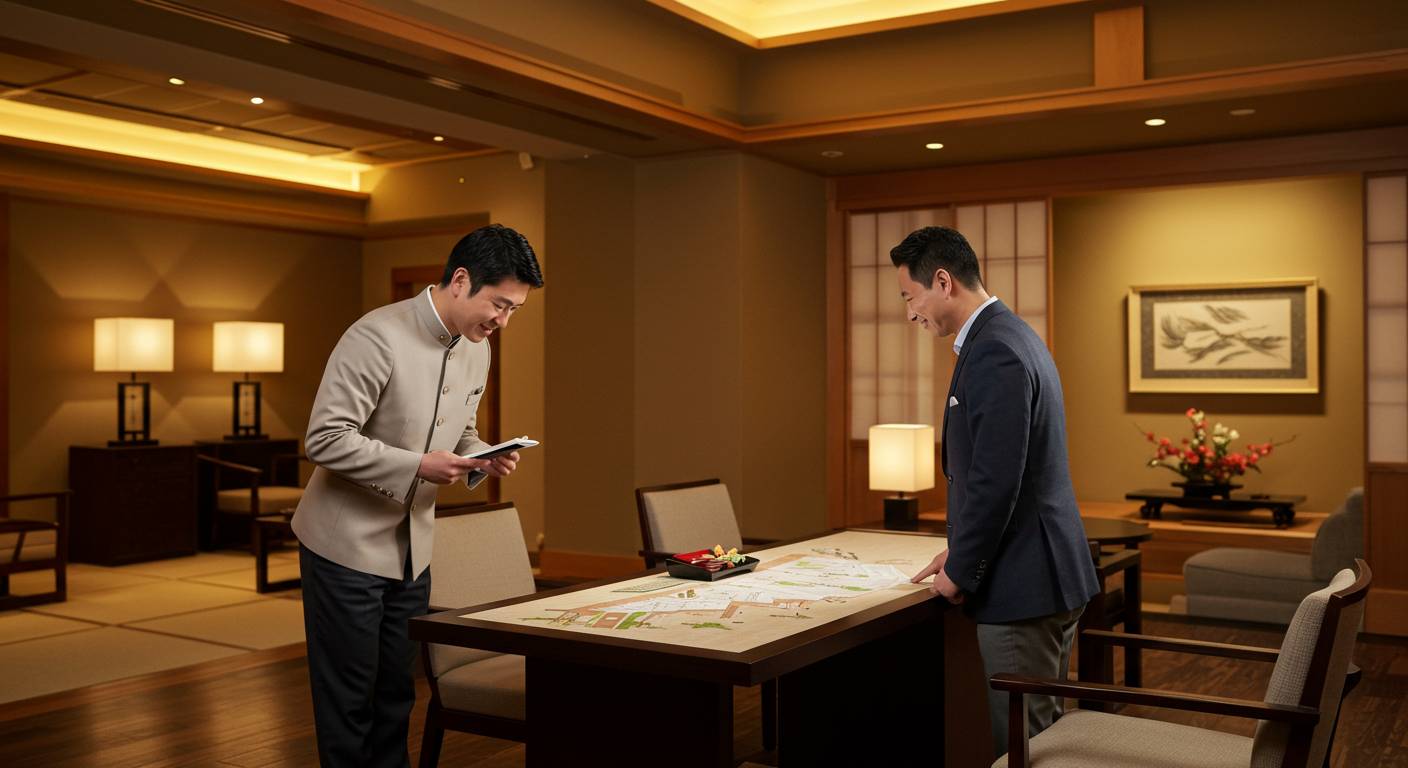
In the realm of luxury hospitality, Japanese concierges have quietly revolutionized what it means to deliver exceptional service. As global travelers become increasingly discerning, the ancient principles of Japanese “omotenashi” (wholehearted hospitality) are gaining recognition as the gold standard for personalized care. This comprehensive guide explores how Japanese concierge professionals are elevating luxury support to unprecedented heights, creating experiences that transcend traditional service boundaries.
From discreetly arranging private viewings of centuries-old temples to securing reservations at invitation-only restaurants, Japan’s elite concierges possess a unique ability to transform ordinary travel into extraordinary memories. Whether you’re an expatriate seeking seamless lifestyle support or a high-net-worth individual planning your next luxury journey to Japan, understanding the sophisticated methods behind Japanese concierge services will forever change your expectations of hospitality excellence.
Join us as we unveil the carefully guarded secrets of Japan’s premier concierges and discover how their meticulous attention to detail is setting new global standards for luxury support.
1. The Secret Methods of Japanese Concierges: Why Ultra-Wealthy Travelers Can’t Get Enough
When it comes to personalized service, Japanese concierges have mastered an art form that leaves even the most discerning global travelers speechless. At prestigious establishments like The Ritz-Carlton Tokyo and Mandarin Oriental Kyoto, concierges don’t simply provide assistance—they anticipate needs with an almost supernatural precision that has become legendary among the ultra-wealthy.
What truly sets Japanese concierges apart is their philosophy of “omotenashi”—a deeply ingrained approach to hospitality that transcends mere service. This concept embodies selfless hospitality with no expectation of reward, creating experiences that feel both authentic and exclusive. Elite travelers repeatedly mention how Japanese concierges seem to operate on a different level, often describing their abilities as “mind-reading.”
Behind this exceptional service lies rigorous training that few outsiders witness. Many top Japanese concierges train for 7-10 years before earning their golden keys, mastering everything from classical arts to advanced psychology. The Imperial Hotel Tokyo, for example, requires concierges to complete nearly 5,000 hours of specialized training before they can independently handle VIP requests.
These professionals maintain vast networks of exclusive connections—from Michelin-starred chefs to master craftsmen—enabling them to fulfill seemingly impossible requests. One concierge at the Peninsula Tokyo famously arranged a private meditation session with a Buddhist monk at 3 AM for a jet-lagged CEO, while another at Aman Tokyo secured a private viewing of a national treasure normally closed to the public.
The relationship between these master concierges and ultra-wealthy clients often evolves into something resembling a personal attachment. Billionaire guests have been known to adjust their travel schedules around the availability of their preferred Japanese concierge, with some even flying their favorite concierges internationally for special events.
2. Inside Japan’s Elite Concierge World: 5 Exclusive Services You Never Knew Existed
The world of Japanese concierge services extends far beyond the traditional hotel desk. Elite concierges in Japan operate in a realm of discretion and luxury that few get to experience. These professionals have elevated service to an art form, offering solutions so seamless and personalized that they redefine what true luxury support means.
1. Omakase Lifestyle Curation
Top-tier Japanese concierges offer complete “omakase” lifestyle management, where clients essentially say “I leave it to you.” This service extends far beyond restaurant reservations. Elite concierges coordinate every aspect of their clients’ lives—from wardrobe selection with top designers who visit clients’ homes, to personal art curator services that acquire museum-quality pieces before they hit the public market. These concierges maintain detailed profiles of their clients’ preferences, ensuring every recommendation aligns perfectly with personal taste.
2. Impossible Reservation Acquisition
When a foreign CEO wants last-minute seats at a three-Michelin-starred restaurant with a two-year waiting list, elite concierges make it happen. They maintain relationships with the most exclusive establishments in Japan, from invitation-only whisky bars in Ginza to appointment-only artisan workshops in Kyoto. The Palace Hotel Tokyo and The Ritz-Carlton Tokyo are known for their exceptional connections, securing reservations that would be impossible through normal channels.
3. Cultural Immersion Architects
Elite concierges arrange experiences that no amount of money can buy without the right connections. This includes private viewings of national treasures normally closed to the public, after-hours access to museums, and introductions to living national treasures—master craftspeople designated as keepers of important cultural techniques. Imagine having tea with a 15th-generation tea ceremony master or a private lesson with a renowned swordsmith—these are the experiences that distinguish true luxury concierge services.
4. Family Legacy Management
For ultra-high-net-worth individuals, Japanese elite concierges offer services focused on legacy and dynasty management. This includes sourcing rare educational opportunities for children, arranging apprenticeships with master craftspeople, organizing private museum donations, and even facilitating the purchase of historical properties. Some concierges at establishments like Aman Tokyo specialize in helping clients establish meaningful family traditions in Japan that can be passed down through generations.
5. Health and Wellness Sovereignty
Beyond typical spa appointments, elite Japanese concierges create comprehensive wellness ecosystems for their clients. They coordinate with leading medical specialists for preventative care, arrange consultations with traditional Eastern medicine practitioners, source rare medicinal herbs, and even design custom wellness retreats in remote locations. The Mandarin Oriental Tokyo and Hoshinoya properties are particularly known for concierges who excel at creating bespoke wellness journeys tailored to individual health profiles and goals.
What makes these services truly exceptional is not just their exclusivity but the invisible effort behind them. Japanese elite concierges embody the philosophy of “omotenashi”—anticipatory hospitality where needs are met before they’re expressed. This level of service requires not only vast networks of connections but also extraordinary emotional intelligence and cultural knowledge. In a world where luxury is increasingly defined by experiences rather than possessions, Japan’s elite concierges stand as the ultimate gatekeepers to experiences that money alone cannot buy.
3. How Japanese Omotenashi is Transforming Global Luxury Standards: A Look Behind the Curtain
The concept of “omotenashi” extends far beyond simple hospitality in Japan—it represents a philosophical approach to service that has begun to revolutionize luxury standards worldwide. This distinctly Japanese mindset of anticipatory, selfless service has become the gold standard that international luxury brands now strive to emulate.
At the heart of omotenashi is the ability to anticipate needs before they’re expressed. Japanese concierges at establishments like The Ritz-Carlton Tokyo and Mandarin Oriental don’t merely respond to requests—they predict desires. This might manifest as a concierge noting a guest’s preference for green tea during check-in and ensuring it’s available in their room throughout their stay without being asked.
What makes Japanese luxury service exceptional is its attention to detail. The Peninsula Tokyo, for instance, trains staff to observe minute behavioral cues—from how guests hold their bags to subtle expressions—allowing them to offer assistance precisely when needed. This cultural sensitivity has inspired training programs at luxury hotels from Paris to New York.
Unlike Western luxury service, which often emphasizes visibility and recognition, Japanese omotenashi prioritizes subtlety and discretion. The service is never performative; it exists purely for the guest’s comfort. This philosophy has influenced establishments like Four Seasons and Aman Resorts, which have adopted more restrained, personalized approaches to luxury service worldwide.
The impact of this cultural exchange can be seen in how international luxury brands now approach training. The Peninsula Group incorporates elements of omotenashi in global staff training, teaching employees to bow slightly when greeting guests and to handle objects with both hands as a sign of respect—subtle gestures that elevate the entire guest experience.
Japanese omotenashi also emphasizes consistency across all touchpoints. At Tokyo’s Palace Hotel, this means every staff member—from doorman to general manager—demonstrates the same level of attentiveness. This uniformity of excellence has challenged Western luxury establishments to reconsider hierarchical service structures that sometimes create inconsistent guest experiences.
Technology integration represents another area where Japanese hospitality leads. The Capitol Hotel Tokyu pioneered systems where guest preferences are seamlessly shared across departments, creating experiences that feel magically intuitive. This approach has inspired similar systems at properties like Rosewood Hotels and Waldorf Astoria.
Perhaps most significantly, omotenashi has introduced the concept that luxury is defined not by opulence but by thoughtfulness. This philosophical shift has transformed how luxury brands worldwide conceptualize service—moving from ostentatious displays toward meaningful personal connections.
As global luxury standards continue to evolve, the influence of Japanese omotenashi grows increasingly apparent. The quiet revolution happening in luxury hospitality isn’t about adding more extravagant amenities—it’s about embracing a mindset where anticipation, attention, and authentic care create truly transformative guest experiences.
