
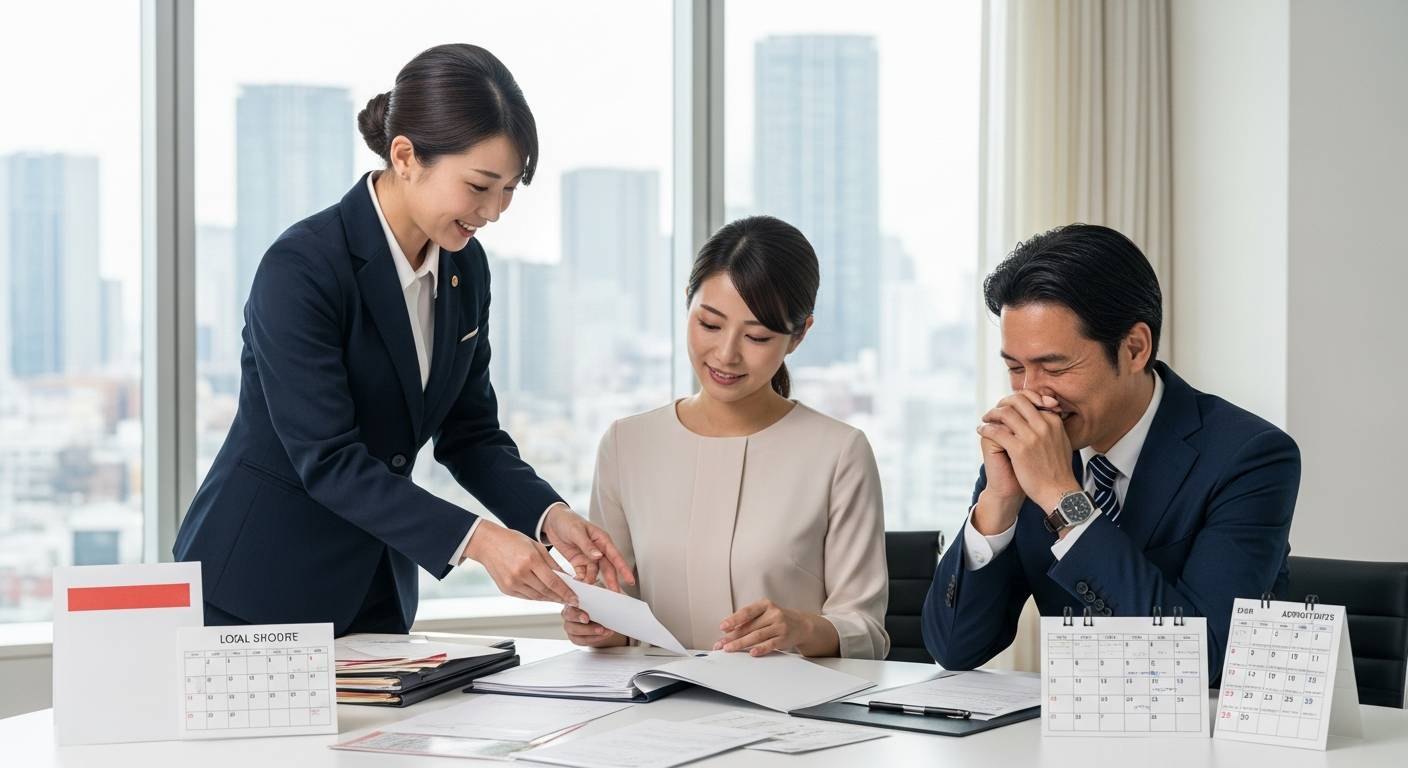
Are you an expatriate struggling to balance professional demands with daily life challenges in Japan? Or perhaps you’re planning a relocation to this fascinating country and wondering how to navigate its unique cultural landscape efficiently? Many successful expatriates in Japan share a common secret to their seamless transition and ongoing prosperity – they leverage the expertise of professional lifestyle managers.
In today’s fast-paced global business environment, expatriates in Japan face unique challenges that extend far beyond the workplace. From language barriers and cultural differences to the practical aspects of establishing a comfortable life in a foreign country, the demands can be overwhelming. This is where lifestyle managers have emerged as essential partners for foreigners seeking not just to survive, but to thrive in Japan.
Our comprehensive guide explores how these specialized professionals serve as the bridge between expatriates and Japanese society, offering insights into why they’ve become indispensable for high-performing individuals and families. Whether you’re a corporate executive, entrepreneur, or diplomatic professional, understanding how lifestyle management services can transform your Japanese experience might be the most valuable information you’ll discover today.
Join us as we examine the multifaceted ways lifestyle managers contribute to expatriate success in Japan, potentially saving you countless hours, reducing stress, and opening doors to opportunities you might otherwise miss.
1. The Ultimate Guide to Lifestyle Management: How Expats in Japan Maximize Their Success
Living as an expatriate in Japan presents unique challenges that can significantly impact professional success and personal well-being. While Japan offers incredible opportunities, the language barrier, cultural differences, and complex administrative systems often create obstacles that drain valuable time and energy from career-focused individuals. This is where lifestyle management services have emerged as the secret weapon of successful expats across Tokyo, Osaka, and other major Japanese cities.
Lifestyle managers function as professional problem-solvers who handle everything from apartment hunting and utility setup to translation services and cultural navigation. Unlike traditional concierge services, lifestyle managers develop deep, personalized relationships with their clients, understanding their specific needs and preferences to provide tailored support.
Many expatriate executives report saving between 10-20 hours weekly by delegating tasks to their lifestyle managers. This reclaimed time allows them to focus on core business activities, professional networking, and strategic thinking—the elements that truly drive career advancement in competitive international environments.
The most comprehensive lifestyle management services in Japan, such as those offered by Tokyo Lifestyle Solutions and Expat Excellence, typically provide an integrated approach covering housing assistance, administrative support, cultural integration, and personal errands. These services effectively eliminate the productivity tax that living in a foreign country imposes on busy professionals.
For expatriates navigating Japan’s complex business landscape, the return on investment for lifestyle management services is substantial. Many clients report not just time savings but also significant stress reduction and improved quality of life, leading to better performance in their professional roles. The most successful international executives in Japan consistently cite lifestyle management as a critical factor in their ability to thrive in demanding positions while maintaining work-life balance.
2. 5 Ways a Lifestyle Manager Transforms the Expat Experience in Japan
Moving to Japan as an expatriate presents a unique set of challenges that can overwhelm even the most seasoned global professionals. From navigating complex housing contracts to understanding cultural nuances, the transition period can be daunting. This is where lifestyle managers emerge as invaluable allies. These professional problem-solvers fundamentally transform the expatriate experience in several key ways.
First, lifestyle managers provide comprehensive language and cultural bridging services. Beyond basic translation, they help expatriates understand the unwritten social rules and communication styles that define Japanese business and personal interactions. Whether negotiating with landlords, communicating with neighbors, or participating in local community events, lifestyle managers ensure expatriates avoid cultural missteps that could damage relationships.
Second, these professionals excel at administrative navigation. Japan’s bureaucracy can be notoriously complex, with procedures for banking, healthcare registration, tax filing, and visa renewals often requiring extensive documentation and precise submission procedures. Lifestyle managers guide expatriates through these processes, significantly reducing stress and preventing costly errors or delays.
Third, lifestyle managers create customized living environments tailored to individual needs. From sourcing specific international products to identifying appropriate schools for children, they help recreate comfort zones while encouraging integration into Japanese society. They can transform sterile temporary housing into personalized homes, often maintaining properties when expatriates travel internationally.
Fourth, these professionals provide invaluable health and wellness support. They can recommend English-speaking medical specialists, accompany clients to appointments, translate medical information, and ensure proper adherence to treatment plans. This medical advocacy becomes particularly crucial during emergencies when language barriers could otherwise compromise care.
Finally, lifestyle managers facilitate meaningful connection to Japanese culture and community. They can arrange authentic cultural experiences that go beyond tourist activities, introduce expatriates to relevant professional and social networks, and help develop genuine relationships with locals. This cultural integration often proves to be the difference between merely surviving in Japan and truly thriving there.
Companies like The Expat Group in Tokyo and Jarman International have developed comprehensive lifestyle management services specifically for the expatriate community, recognizing that professional and personal success in Japan frequently depends on having expert guidance through the complexities of daily life.
3. Why Successful Expatriates in Japan Rely on Lifestyle Managers: A Comprehensive Review
Navigating life in Japan as an expatriate presents unique challenges that go far beyond language barriers. Successful expatriates have discovered that lifestyle managers serve as indispensable allies in creating a seamless living experience in this complex cultural landscape. These professionals function as personal concierges, cultural translators, and efficiency experts all rolled into one.
The expatriate community in Japan faces numerous hurdles when setting up their lives – from securing appropriate housing in competitive markets to understanding complex recycling systems, navigating healthcare without Japanese fluency, and establishing essential utilities. Lifestyle managers excel at eliminating these friction points. Companies like Tokyo Helping Hands and H&R Consultants have built their reputation on transforming potentially frustrating experiences into smooth transitions.
High-performing executives particularly value the time-saving aspect of these services. When career demands are intense, outsourcing life administration to a trusted professional becomes not just a luxury but a strategic necessity. A senior executive at Goldman Sachs Tokyo shared: “My lifestyle manager saved me countless hours during my relocation. Their expertise with property contracts alone justified the investment.”
Beyond practical assistance, lifestyle managers provide cultural intelligence that prevents costly social missteps. They offer guidance on business etiquette, gift-giving protocols, and appropriate behavior in various social contexts. This cultural navigation proves especially valuable for expatriates in leadership positions where relationship management is critical to success.
The scope of services typically includes residence management, utility setup and troubleshooting, translation services, travel arrangements, and appointment scheduling. More comprehensive providers like Niko Niko Lifestyle Management extend their offerings to include personal shopping, event planning, and even pet care services.
For families relocating to Japan, lifestyle managers facilitate educational placements, identify appropriate healthcare providers, and connect expatriates with community resources. This family-focused support significantly reduces the adaptation stress on trailing spouses and children, often cited as the primary reason for failed expatriate assignments.
The investment in lifestyle management services yields substantial returns through time savings, stress reduction, and access to insider knowledge that might take years to accumulate independently. The resulting improvement in quality of life allows expatriates to focus on their professional responsibilities while still experiencing the rich cultural offerings Japan provides.