
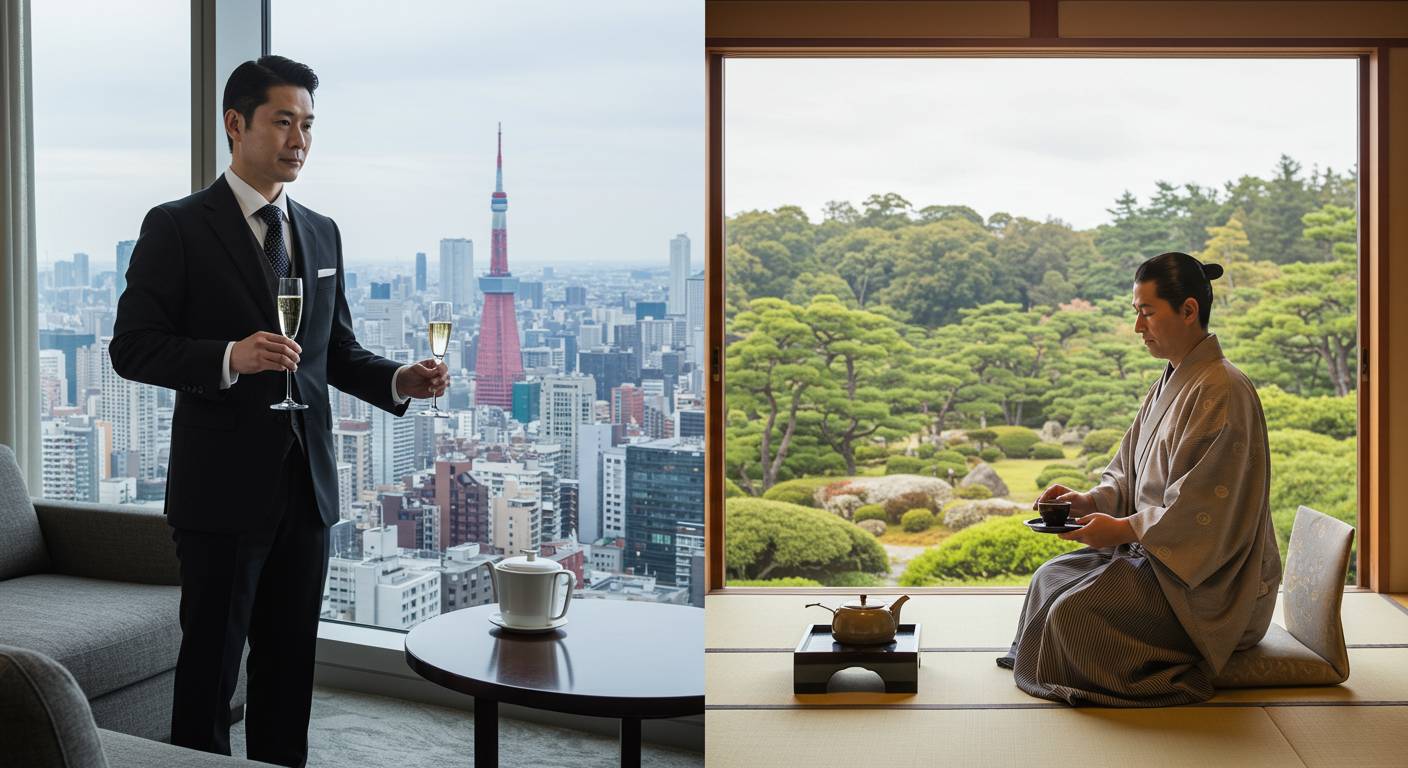
Discovering the nuanced world of luxury butler services in Japan reveals a fascinating tapestry of cultural heritage and modern sophistication. As Japan continues to attract high-net-worth individuals and discerning travelers seeking authentic experiences, understanding the distinctive characteristics of butler services in Tokyo versus Kyoto becomes increasingly valuable. These two iconic Japanese cities represent different facets of Japanese excellence—Tokyo embodying cutting-edge modernity alongside traditional values, while Kyoto preserves centuries of cultural refinement and artisanal mastery. This exploration into regional differences in premium hospitality not only highlights the evolution of Japanese Omotenashi (hospitality) but also provides practical insights for expatriates and international visitors seeking the highest standards of personalized service. Whether you’re planning an extended stay in Japan or seeking to understand the sophisticated nuances of Japanese luxury lifestyle management, this comprehensive guide illuminates how geography, history, and local culture shape the exceptional butler experiences available in Japan’s most prominent cities.
1. The Art of Luxury: How Butler Services Differ Between Tokyo’s Modern Elegance and Kyoto’s Traditional Refinement
Japan’s luxury service industry presents a fascinating study in contrasts, particularly when comparing butler services in Tokyo and Kyoto. These two cities, though part of the same nation, offer distinctly different approaches to high-end hospitality that reflect their unique cultural identities and historical backgrounds.
In Tokyo, butler services embrace contemporary luxury with technological integration and international standards. The Peninsula Tokyo and Aman Tokyo exemplify this approach, where butlers are trained in multiple languages and modern service protocols. Tokyo’s butlers often utilize tablet devices to manage guest requests and preferences, creating seamless experiences that blend Japanese attentiveness with global expectations. They’re typically dressed in crisp Western-style uniforms, projecting an image of cosmopolitan sophistication that appeals to international business travelers and luxury tourists alike.
Kyoto’s butler services, in contrast, draw deeply from traditional Japanese omotenashi hospitality principles. At establishments like Hoshinoya Kyoto and Suiran Luxury Collection, butlers (often called nakai-san or personal attendants) incorporate elements of tea ceremony precision and Zen mindfulness into their service approach. Many wear kimono or other traditional attire, and service rituals follow seasonal considerations important in Japanese culture. The experience emphasizes tranquility, mindfulness, and connection to nature and history.
The timing and pacing of service delivery also differs markedly between the two cities. Tokyo butlers tend to provide efficient, prompt responses prioritizing convenience and immediate satisfaction. Their Kyoto counterparts often embrace ma – the Japanese concept of meaningful pauses and spaces – creating service that feels less hurried and more contemplative.
Perhaps most notably, Tokyo’s luxury establishments frequently feature technological amenities like digital room controls and advanced communication systems, while Kyoto properties might showcase handcrafted traditional furnishings and heritage architectural elements. This fundamental difference extends to the butler service itself, with Tokyo focusing on cutting-edge efficiency and Kyoto on preserving time-honored traditions.
For travelers seeking premium experiences in Japan, understanding these regional differences allows for a more nuanced appreciation of Japanese luxury hospitality in its various forms. Whether one prefers Tokyo’s streamlined sophistication or Kyoto’s traditional elegance, both cities offer world-class butler services that exemplify Japan’s commitment to exceptional hospitality.
2. East Meets West: Exploring the Unique Butler Traditions in Japan’s Two Cultural Capitals
While both Tokyo and Kyoto offer exceptional butler services, the fundamental approach to hospitality in these two cultural capitals reveals fascinating regional differences rooted in centuries of tradition and modern influences.
In Tokyo, butler service embodies what locals call “kiritsu tadashii” – precise, meticulous attention to detail with an emphasis on efficiency and technological integration. Tokyo butlers typically receive training that balances Western European service standards with Japanese precision. The Four Seasons Tokyo and Aman Tokyo exemplify this fusion, where butlers seamlessly integrate digital conveniences with traditional omotenashi hospitality.
Tokyo butlers often specialize in business protocol, understanding that many clients are international executives requiring support with corporate entertainment and networking. Their uniforms typically feature contemporary styling with subtle Japanese elements – respecting tradition while acknowledging Tokyo’s position as a global financial center.
Kyoto butlers, conversely, draw more deeply from traditional Japanese hospitality customs. Many receive training influenced by geisha and ryokan service traditions, emphasizing cultural knowledge and ceremonial precision. The Ritz-Carlton Kyoto and Suiran Luxury Collection exemplify this approach, where butlers often possess expertise in tea ceremony, kimono dressing, and local cultural history.
The architectural settings further distinguish these experiences. Tokyo butler services typically operate within sleek, modern high-rises with panoramic city views, while Kyoto’s premium butler experiences often unfold in machiya-inspired spaces or historic buildings overlooking Japanese gardens.
Interestingly, the pace of service differs noticeably between regions. Tokyo butlers excel at anticipating needs and providing immediate solutions, while Kyoto’s approach emphasizes mindful presence and creating meaningful moments – valuing quality of interaction over speed.
These regional differences create unique opportunities for discerning travelers to experience complementary aspects of Japanese luxury service, reflecting the distinctive character and heritage of each remarkable city.
3. Exclusive Insights: Why HNWIs Choose Different Butler Services in Tokyo vs. Kyoto
High Net Worth Individuals (HNWIs) in Japan demonstrate fascinating regional preferences when selecting butler services, particularly when comparing Tokyo and Kyoto. These preferences reveal much about both the cultural fabric of these cities and the evolving luxury service landscape across Japan.
In Tokyo, the financial and technological hub, butler services tend to emphasize efficiency, discretion, and international standards. HNWIs in the capital typically request butlers with multilingual capabilities who can seamlessly navigate both Japanese and global business etiquette. The Four Seasons Tokyo and Aman Tokyo have pioneered butler programs that cater specifically to international executives and diplomats, offering 24/7 concierge capabilities that extend beyond traditional household management.
Kyoto’s elite clientele, by contrast, often prioritize butlers with deep knowledge of traditional Japanese customs and cultural protocols. The ancient capital’s wealthy residents and visitors seek staff who can arrange private viewings at temples, secure reservations at exclusive kaiseki restaurants, or coordinate traditional tea ceremonies. The Ritz-Carlton Kyoto has developed a specialized butler training program focused on Japanese arts and historical knowledge, reflecting this regional distinction.
Industry data reveals that Tokyo-based butler agencies report 78% of clients requesting technology integration and international protocol training, while Kyoto agencies note that 65% of their clients specifically request specialists in Japanese cultural traditions and local connections. This regional divergence creates entirely different career paths for professional butlers depending on their location and specialization.
What remains consistent across both markets is the increasing demand for personalization. Butler services in both cities report that clients increasingly expect staff who can anticipate needs rather than simply respond to requests—a subtle but critical distinction in premium service delivery that transcends regional differences.
