
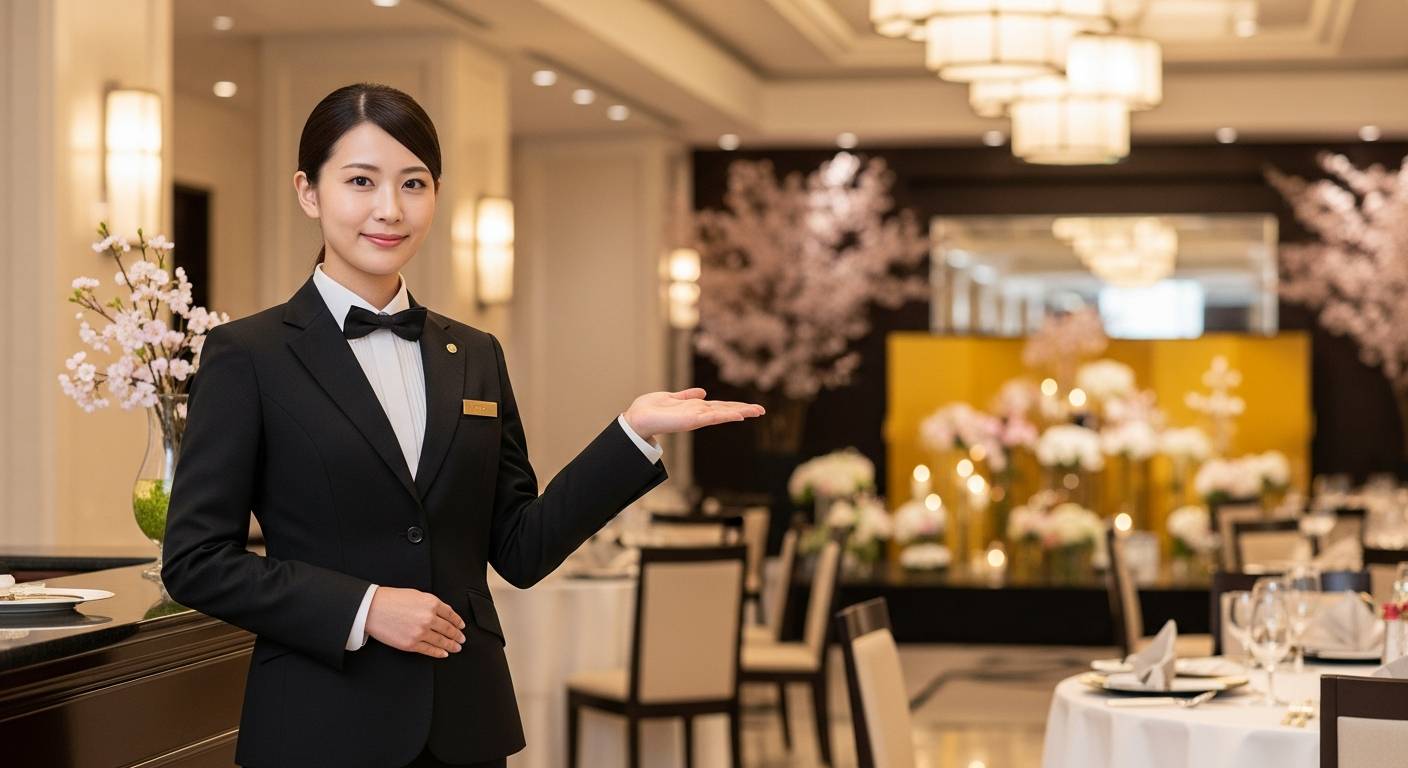
Are you planning a significant corporate gathering, an exclusive wedding, or a high-profile cultural event in Japan? The difference between a successful event and a truly memorable experience often lies in the invisible hands that orchestrate every detail behind the scenes.
In Japan, where the art of hospitality has been refined over centuries, professional concierge services have elevated event management to an art form that combines meticulous planning with the heartfelt philosophy of Omotenashi. This uniquely Japanese approach to hospitality goes beyond mere service—it anticipates needs before they arise and creates moments of delight that guests will remember for years to come.
In this comprehensive guide, we’ll pull back the curtain on how Japan’s elite concierge professionals transform ordinary gatherings into extraordinary experiences. From the careful preparation that begins months in advance to the split-second decisions made during the event itself, you’ll gain insider knowledge of the techniques and traditions that make Japanese event support truly exceptional.
Whether you’re a corporate event planner seeking to impress international clients, a luxury travel advisor looking to enhance your offerings, or simply fascinated by the world of high-end hospitality, this exploration of Japanese concierge excellence will provide valuable insights that can transform your approach to creating memorable experiences.
Join us as we explore the sophisticated world where Japanese precision meets warm hospitality to create event magic that leaves lasting impressions on even the most discerning guests.
1. The Art of Anticipation: How Japanese Concierges Transform Events from Ordinary to Extraordinary
Japanese concierge services have earned global recognition for their unparalleled attention to detail and commitment to excellence. At the heart of this distinction lies “the art of anticipation” – a skill that transforms ordinary gatherings into extraordinary experiences. Unlike standard event staff who simply react to requests, Japanese concierges proactively identify needs before they arise, creating a seamless flow that guests perceive as effortless magic.
This anticipatory approach begins long before guests arrive. Elite Japanese concierge professionals study event blueprints, guest profiles, and cultural nuances to predict potential friction points. They meticulously prepare for various scenarios – from weather contingencies to unexpected dietary requirements – ensuring that solutions are implemented before problems materialize.
The difference becomes apparent in subtle but impactful moments: a refreshment appearing precisely when needed, an umbrella offered seconds before raindrops fall, or a quiet space arranged for an overwhelmed attendee. These aren’t random acts of service but calculated interventions based on keen observation and cultural intelligence.
What truly sets Japanese concierge service apart is “omotenashi” – the principle of selfless hospitality where attention focuses entirely on guest comfort without expectation of reward. This philosophy manifests in seemingly intuitive service that feels personalized to each attendee.
Major hotels like The Ritz-Carlton Tokyo and Palace Hotel Tokyo have integrated these traditional values with modern efficiency, creating benchmark standards for event support worldwide. Their concierge teams don’t just manage logistics; they orchestrate experiences where every interaction feels meaningful and intentional.
The psychological impact is profound – when basic needs are anticipated and met without request, guests can fully immerse themselves in the event’s purpose, whether networking, learning, or celebrating. The invisible work of anticipation creates the psychological space for meaningful connections and memorable moments that define truly exceptional events.
2. Behind the Scenes: Exclusive Insights into Japanese Concierge Magic at High-Profile Events
The excellence of Japanese concierge services at high-profile events isn’t merely coincidental—it’s the result of meticulous preparation, cultural sensibilities, and an unwavering commitment to omotenashi (Japanese hospitality). While attendees experience seamless events, few glimpse the intricate choreography happening behind the curtain.
Japanese concierges begin preparation months in advance, creating detailed timelines that account for every contingency. At the Tokyo International Film Festival, concierge teams develop personalized itineraries for each VIP guest, considering everything from dietary preferences to cultural sensitivities. What appears effortless actually involves countless planning sessions and rehearsals.
Communication infrastructure represents another critical element. Top concierge teams utilize sophisticated digital systems that allow instant messaging between staff members. At the Fuji Rock Festival, concierges use specialized apps that track guest requests in real-time, ensuring nothing falls through the cracks even amidst the chaos of managing thousands of attendees.
The concept of “anticipatory service” distinguishes Japanese concierges from their global counterparts. Rather than simply responding to requests, they predict needs before they arise. This might mean having umbrellas ready moments before an unexpected shower or arranging last-minute transportation when schedules change. During Fashion Week Tokyo, concierges are known to prepare comfort kits for international guests suffering from jet lag—without being asked.
Space management also plays a crucial role. The Imperial Hotel Tokyo’s concierge team, widely regarded as among Japan’s finest, employs spatial design principles in event settings to create environments that facilitate both privacy and interaction. They strategically position refreshment stations, seating areas, and staff to ensure guests never need to search for assistance.
Cultural translation extends beyond mere language interpretation. At international business conferences in Osaka, concierges serve as cultural bridges, subtly guiding foreign executives through Japanese business etiquette while helping Japanese hosts understand their guests’ expectations. This cultural intermediary role often prevents misunderstandings that could undermine high-stakes negotiations.
The training regimen for elite Japanese concierges is extraordinarily rigorous. Many undergo apprenticeships lasting years before handling VIP events independently. The Peninsula Tokyo, for example, requires concierges to complete a minimum two-year training program covering everything from wine knowledge to emergency medical response.
When challenges inevitably arise, Japanese concierges excel at invisible problem-solving. Rather than drawing attention to issues, they resolve them discreetly. During a recent international summit in Kyoto, when a power outage threatened proceedings, the concierge team activated backup systems and rerouted schedules so seamlessly that many attendees remained unaware of the crisis.
This behind-the-scenes excellence doesn’t happen in isolation. Japanese concierges maintain extensive networks with local vendors, transportation providers, and government officials. The Mandarin Oriental Tokyo’s concierge desk can secure reservations at fully-booked restaurants or arrange private viewings of normally inaccessible cultural sites through these carefully cultivated relationships.
The true magic of Japanese concierge service lies in this harmonious blend of technological sophistication, human intuition, cultural sensitivity, and relentless attention to detail. For those fortunate enough to experience it at high-profile events, it creates moments of perfect hospitality that appear effortless yet represent the pinnacle of service excellence.
3. Omotenashi in Action: 5 Remarkable Ways Japanese Concierges Elevate Event Experiences for Elite Clients
The concept of “omotenashi” — Japan’s distinctive approach to hospitality — reaches its pinnacle in the hands of elite Japanese concierges. Far beyond standard event support, these professionals transform ordinary gatherings into extraordinary memories through their meticulous attention to detail and anticipatory service. Here are five exceptional ways Japanese concierges elevate experiences for their most discerning clients:
1. Personalized Anticipatory Service
Japanese concierges excel at gathering intelligence about guests before they even arrive. At the renowned Mandarin Oriental Tokyo, concierges maintain detailed preference profiles for returning VIP clients, noting everything from beverage preferences to anniversary dates. This allows them to orchestrate surprise elements that feel serendipitous yet perfectly aligned with guest preferences. One executive reported finding his favorite regional sake, unavailable outside a remote prefecture, waiting in his room with a handwritten note acknowledging his previous mention of it during a conversation six months earlier.
2. Impossible Access Made Possible
The most skilled Japanese concierges maintain relationships with exclusive venues and artisans typically closed to the public. The Peninsula Tokyo’s concierge team has arranged private after-hours viewings at Nezu Museum for corporate executives, while The Ritz-Carlton Kyoto regularly secures reservations at appointment-only restaurants like Kitcho Arashiyama for international dignitaries. These connections, cultivated over decades, allow concierges to create once-in-a-lifetime cultural immersions that even wealthy travelers couldn’t arrange independently.
3. Seamless Crisis Management
True omotenashi shines brightest during unexpected challenges. When typhoon warnings threatened an outdoor wedding reception at Four Seasons Hotel Kyoto, the concierge team activated their contingency network overnight, securing an equally stunning indoor venue and coordinating with vendors to transfer elaborate décor seamlessly. Guests never sensed the behind-the-scenes scramble, experiencing only a flawlessly executed celebration. This invisible problem-solving represents the highest form of Japanese service philosophy.
4. Cultural Translation Beyond Language
Elite Japanese concierges serve as cultural bridges, not merely translating words but contextualizing experiences. At Park Hyatt Tokyo, concierges brief international executives before important business dinners, providing subtle guidance on gift-giving protocols and conversation rhythms. They anticipate potential cross-cultural misunderstandings and intervene gracefully, ensuring meaningful connections across cultural divides without drawing attention to differences.
5. Artful Departure Experiences
The Japanese concierge’s commitment extends through the final moments of any event. At Hoshinoya Tokyo, departing conference attendees receive hand-selected omiyage (gifts) reflecting conversations they had with staff during their stay, demonstrating that they were truly seen and heard. These thoughtful gestures, often incorporating elements from the guest’s hometown or interests, create powerful emotional anchors that secure lasting memories and loyalty that standard luxury service cannot match.
The masterful execution of these service elements explains why Japanese concierges remain unrivaled in creating transcendent events for elite clients who have experienced hospitality around the world yet still find something uniquely exceptional in Japan’s omotenashi approach.