
In the realm of luxury hospitality, a quiet revolution is taking place. The ancient Japanese concept of “Omotenashi”—an approach to service that anticipates needs before they arise—is rapidly transforming global standards of excellence. For discerning travelers and high-net-worth individuals, this uniquely Japanese philosophy represents the pinnacle of personalized care and attention.
As international luxury markets increasingly adopt principles from Japanese hospitality traditions, understanding the profound impact of these practices becomes essential for anyone interested in premium service experiences. This comprehensive exploration delves into how Japanese butler and concierge services have become the gold standard for exclusive hospitality worldwide, offering insights into the meticulous training, cultural nuances, and exceptional dedication that distinguish this approach.
Whether you’re a luxury service professional seeking to elevate your standards or a connoisseur of refined experiences, this examination of Japanese Omotenashi will reveal why global elites are increasingly turning to Japanese-trained professionals to manage their lifestyle needs with unparalleled discretion and sophistication.
1. The Art of Japanese Omotenashi: 5 Elements That Are Revolutionizing Global Luxury Service
The concept of omotenashi is fundamentally reshaping luxury hospitality worldwide, bringing Japanese precision and mindfulness to international service standards. This centuries-old philosophy of selfless hospitality goes far beyond typical customer service, creating experiences that anticipate needs before they’re expressed. Five core elements distinguish omotenashi as a revolutionary force in global luxury service.
First, anticipatory attentiveness stands as the cornerstone of authentic omotenashi. At establishments like The Ritz-Carlton Tokyo, staff members meticulously observe guests’ preferences—from preferred room temperatures to beverage choices—without requiring verbal requests. This subtle anticipation creates a sense of being understood on a profound level, something luxury clients increasingly value above material offerings.
Second, meticulous attention to detail elevates ordinary interactions to memorable experiences. Consider how Four Seasons Kyoto incorporates seasonal elements into every guest touchpoint, from lobby arrangements to dining presentations. This precision extends beyond aesthetics to timing—service delivered at precisely the right moment without intrusion, a technique luxury hotels worldwide are now adopting.
Third, genuine sincerity forms the emotional foundation of omotenashi. This cannot be proceduralized but must be cultivated as a mindset. The Mandarin Oriental group has integrated this principle by encouraging staff to connect authentically with guests rather than following rigid scripts, resulting in significantly higher guest loyalty metrics.
Fourth, the respect for boundaries distinguishes Japanese hospitality. Unlike Western approaches that sometimes prioritize friendliness over discretion, omotenashi practitioners recognize when presence is appropriate and when absence is preferable. This balanced approach has been particularly influential in private luxury travel services and exclusive members clubs globally.
Finally, continuous refinement completes the omotenashi framework. The practice is never considered perfected but always evolving. Peninsula Hotels exemplifies this by implementing Japanese-inspired improvement systems where even minor service elements undergo regular evaluation and enhancement, creating a constantly elevating experience.
As luxury brands face increasingly discerning clientele, these elements of omotenashi provide a blueprint for service that transcends transactional relationships. From boutique hotels in Paris to exclusive resorts in the Caribbean, the principles of Japanese hospitality are being adapted and integrated, transforming expectations of what truly exceptional service entails in the modern luxury landscape.
2. From Tokyo to the World: How Japanese Butler Services Are Transforming International Hospitality Standards
The concept of Japanese butler services has transcended cultural boundaries to become a coveted standard in luxury hospitality worldwide. What began in the elegant establishments of Tokyo has now become a benchmark for exceptional service across continents. The meticulous attention to detail that characterizes Japanese butler services is fundamentally reshaping expectations in premium hotels and private residences globally.
At the core of this transformation is the Japanese philosophy that anticipates needs before they arise. Unlike traditional Western butler services that often wait for requests, Japanese butlers practice “saki-yomi” (先読み) – the art of foreseeing guests’ desires. This approach has been adopted by prestigious establishments like the Mandarin Oriental in Bangkok and The Peninsula in New York, where staff undergo intensive training in Japanese hospitality principles.
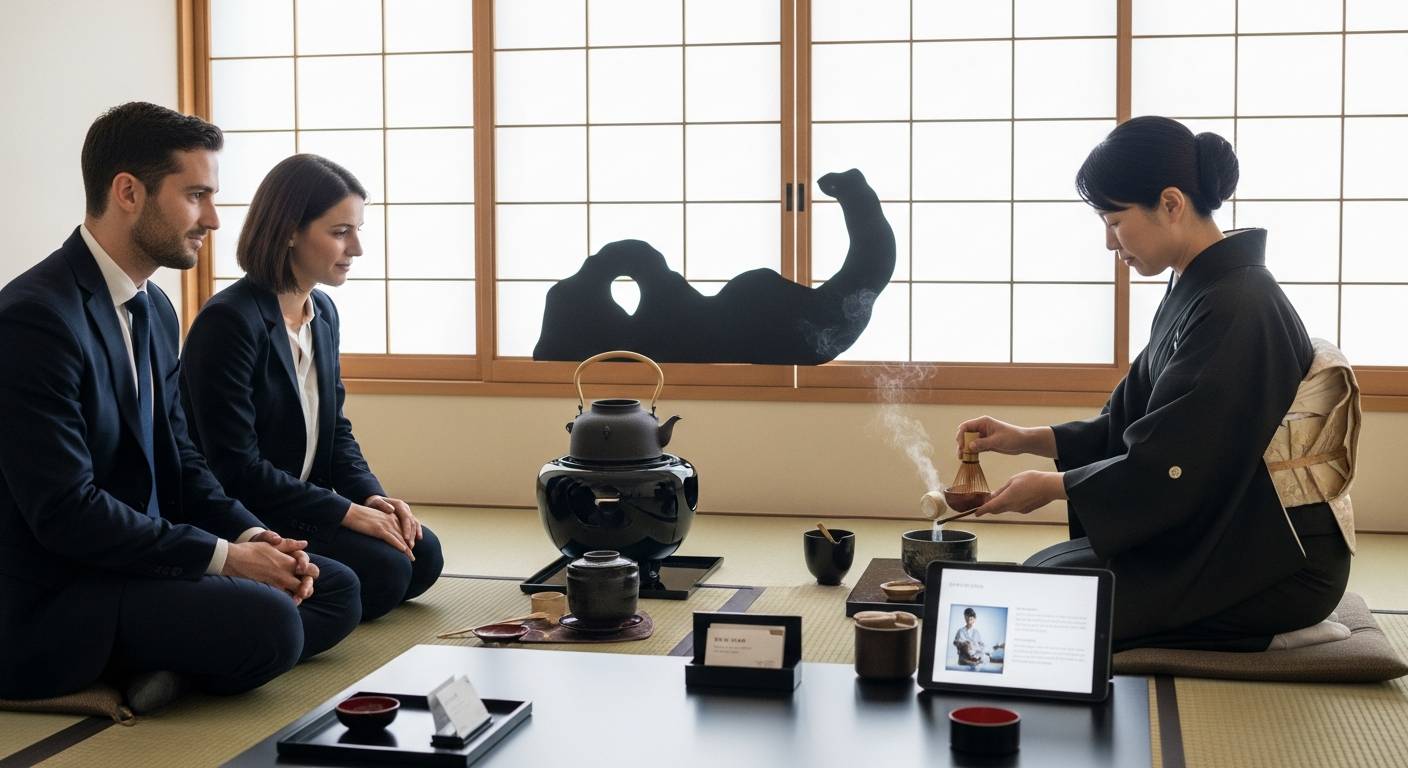
The Four Seasons Hotel Kyoto exemplifies this evolution, having developed a butler program that blends traditional Japanese omotenashi with contemporary luxury service. Their butlers function as personal cultural ambassadors, offering services that range from arranging private tea ceremonies to coordinating bespoke shopping experiences. This model has been so successful that Four Seasons has implemented similar programs across their global portfolio.
Japanese butler academies are experiencing unprecedented international demand. The Tokyo Butler Academy now conducts training sessions in multiple languages, with graduates securing positions in royal households in the Middle East, private estates in Europe, and super-yachts belonging to international business magnates. These academies emphasize not just technical skills but the mindset of selfless service that distinguishes the Japanese approach.
The technological integration within Japanese butler services also sets them apart. At the Aman Tokyo, butlers utilize custom applications that track guest preferences across the Aman network, ensuring seamless experiences whether a guest is in Tokyo or Venice. This data-driven approach to personalization has inspired hospitality brands worldwide to develop similar systems.
What makes Japanese butler services particularly distinctive is their emphasis on invisible perfection. The Japanese concept of “kikubari” (気配り) – the ability to care for others through subtle attentiveness – manifests in service that is simultaneously present yet unobtrusive. This balanced approach resolves a longstanding tension in luxury hospitality between attentiveness and privacy.
As global hospitality continues to evolve, the influence of Japanese butler traditions will undoubtedly expand further, elevating service standards and redefining what guests can expect from truly exceptional hospitality experiences worldwide.
3. Omotenashi Excellence: Why High-Net-Worth Individuals Are Choosing Japanese-Trained Concierges
The ultra-wealthy have always demanded exceptional service, but a new trend is emerging in premium hospitality circles: the rising preference for Japanese-trained concierges. This shift isn’t merely about status; it represents a fundamental appreciation for the principles of omotenashi that these professionals embody.
At the Mandarin Oriental in London, where waiting lists for the most luxurious suites can stretch months long, Head Concierge Takahashi Hiroshi leads a team trained in authentic Japanese hospitality principles. What sets these professionals apart isn’t just attention to detail but their ability to anticipate needs before they’re expressed—a cornerstone of omotenashi philosophy.
“The difference is subtle yet profound,” explains a private wealth manager who regularly books accommodations for clients worth over $50 million. “Western concierges are excellent at responding to requests. Japanese-trained concierges prevent the need to make requests in the first place.”
This predictive service approach creates an atmosphere of effortless luxury that high-net-worth individuals increasingly demand. The Four Seasons Hotel Kyoto regularly hosts training sessions where hospitality professionals worldwide learn the nuanced art of anticipatory service—a program that has a two-year waiting list.
Beyond anticipation, omotenashi-trained professionals excel at personalization without intrusion. They maintain detailed preference profiles without ever making guests feel monitored. This balance between attentiveness and discretion particularly appeals to privacy-conscious wealthy clients, including tech executives and celebrities seeking respite from public attention.
Perhaps most compelling is the philosophy of service without expectation of return. Unlike Western hospitality traditions where exceptional service often signals an anticipated gratuity, Japanese omotenashi is performed for the inherent value of perfection itself. This purity of intention creates an authentic experience that wealth cannot simply purchase elsewhere.
Major luxury hospitality brands including Ritz-Carlton and Aman Resorts have implemented Japanese-inspired training programs for their global concierge teams. The Peninsula Hotels group reports that properties with omotenashi-trained staff consistently receive higher guest satisfaction scores, particularly among their most valuable repeat clients.
As wealth becomes increasingly global, the universal language of exceptional, anticipatory care speaks volumes. For today’s discerning elite travelers, the humble yet meticulous approach of omotenashi represents not just superior service but a deeper respect for their comfort, privacy, and individual needs—a truly priceless hospitality philosophy.