
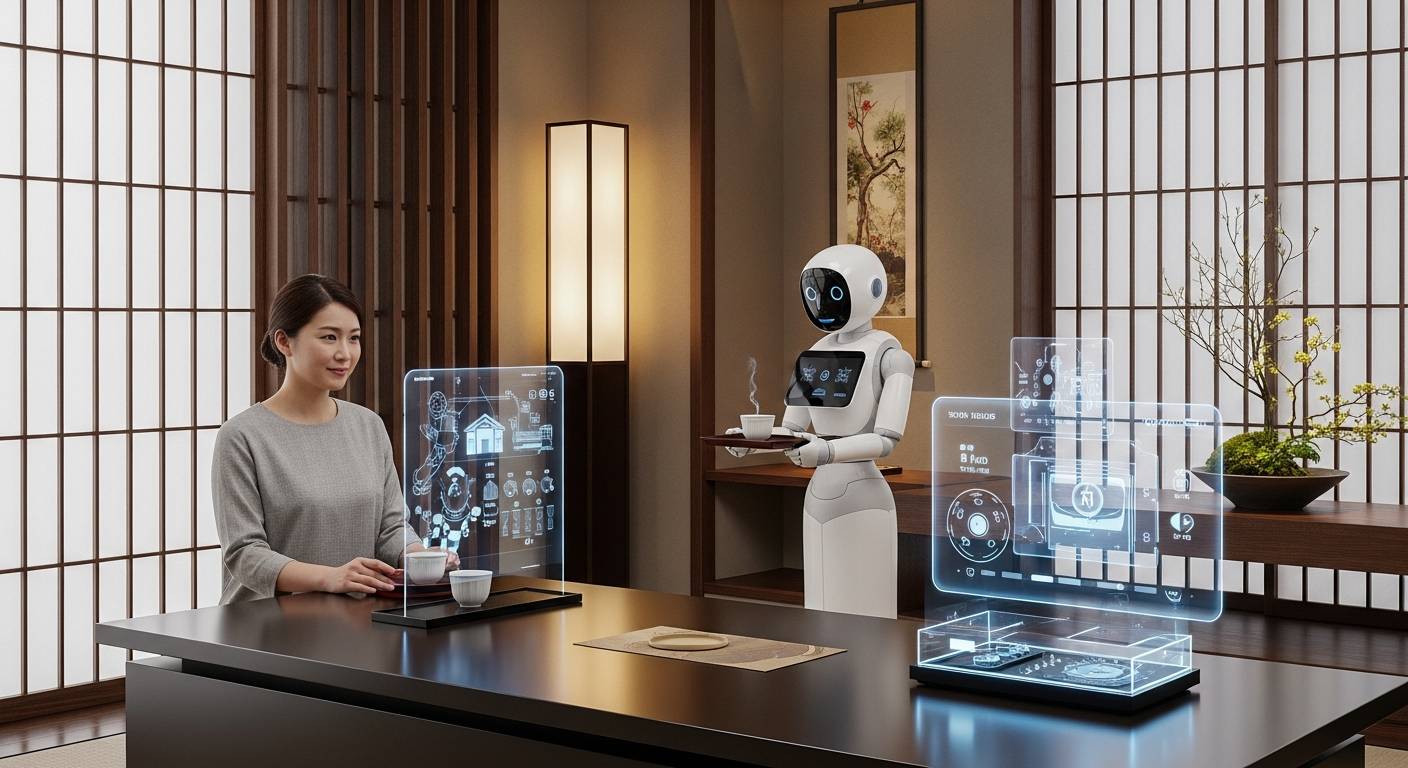
In the realm where traditional Japanese hospitality intersects with cutting-edge technology, a new paradigm of luxury service is emerging that is transforming the experience of high-net-worth individuals and discerning expatriates in Japan. This evolution represents more than convenience—it embodies the seamless fusion of Japan’s time-honored Omotenashi principles with sophisticated digital innovations to create unprecedented levels of personalized care and lifestyle enhancement.
For international executives, foreign residents, and elite travelers navigating the complex yet fascinating landscape of Japanese culture, the integration of traditional butler services with technological advancement offers solutions that were unimaginable just a decade ago. The concept of luxury service in Japan has undergone a remarkable transformation, with professional concierge providers now leveraging artificial intelligence, smart systems, and digital platforms while maintaining the human touch that defines authentic Japanese hospitality.
This article explores how Japan Butler & Concierge Co., Ltd. stands at the vanguard of this revolution, offering comprehensive lifestyle management solutions that honor cultural heritage while embracing the digital future. Whether you’re seeking the finest in expatriate lifestyle support or planning a luxury sojourn in Japan, understanding this harmonious blend of tradition and innovation will provide valuable insight into accessing truly exceptional service experiences that reflect both timeless values and forward-thinking approaches to elite living.
1. Revolutionizing Elite Living: How Japanese Omotenashi and AI Create the Ultimate Luxury Experience
Japan’s legendary hospitality concept—omotenashi—is evolving in remarkable ways through its fusion with cutting-edge technology. This revolutionary marriage is transforming luxury lifestyle services for elite residents and international visitors seeking premium experiences in Tokyo, Kyoto, and beyond. At its core, omotenashi represents anticipatory service delivered with genuine care and attention to detail—principles that align perfectly with AI’s predictive capabilities.
Leading concierge service Quintessentially Japan exemplifies this trend, deploying AI systems that analyze member preferences to anticipate needs before they arise. Their proprietary platform tracks dining preferences, travel patterns, and service interactions, enabling human concierges to deliver hyper-personalized recommendations with the warmth only humans can provide.
The Peninsula Tokyo has implemented an AI-enhanced guest experience system where room environments automatically adjust based on guest behaviors and stated preferences. The technology works invisibly in the background while staff members focus on creating meaningful human connections—the technology handles logistics while people deliver the emotional experience.
Smart home technology company Mitsui Fudosan Residential has developed luxury condominiums with integrated AI systems that learn resident patterns and preferences over time. These intelligent living spaces adjust lighting, temperature, music, and security protocols without requiring input, while still allowing residents to connect with dedicated staff for special requests.
What makes this Japanese approach unique is how technology remains invisible to the user. Unlike other luxury markets where technology is often highlighted as a selling point, Japanese luxury service providers carefully conceal the technological underpinnings to preserve the human-centered omotenashi experience. The technology never replaces human interaction but rather enhances the server’s ability to anticipate needs.
For global luxury consumers, this distinctive blend presents an irresistible proposition: service that feels deeply personal and intuitive while leveraging advanced technological capabilities. The future of luxury lifestyle support in Japan represents a masterclass in balancing technological efficiency with human warmth—a combination that promises to set new standards for elite living worldwide.
2. The Digital Butler: 5 Ways Technology is Transforming High-End Concierge Services in Japan
The concept of omotenashi—Japan’s legendary hospitality philosophy—is undergoing a remarkable evolution as technology revolutionizes luxury lifestyle services across the country. Nowhere is this transformation more evident than in high-end concierge services, where artificial intelligence, automation, and digital platforms are creating unprecedented levels of personalization and convenience. Here are five significant ways technology is reshaping the premium concierge landscape in Japan:
First, AI-powered recommendation systems have become indispensable tools for elite concierge providers. Leading companies like Quintessentially Japan now utilize sophisticated algorithms that analyze client preferences, past requests, and real-time data to offer hyper-personalized suggestions. These systems can predict desires before clients even express them—from securing reservations at exclusive restaurants like Sukiyabashi Jiro to identifying limited-edition fashion releases that match individual style profiles.
Second, mobile concierge applications have transformed accessibility to premium services. The Toki app, developed specifically for Japan’s luxury market, offers 24/7 concierge access through a sleek interface that connects clients directly with dedicated human concierges while preserving the nuanced human touch essential to true omotenashi. These platforms eliminate barriers of time and distance, allowing requests to be submitted anywhere, anytime.
Third, virtual reality previews have elevated pre-experience decision-making. Cutting-edge concierge services now offer VR tours of potential experiences—whether viewing a presidential suite at The Peninsula Tokyo before booking or virtually experiencing the atmosphere of an exclusive kaiseki dinner. This technology allows clients to make more informed decisions about how they invest their time and resources.
Fourth, blockchain technology has introduced unprecedented levels of security and exclusivity to concierge services. Companies like Tokyo Premium Club utilize blockchain to verify the authenticity of rare experiences and limited items, creating secure digital records of ownership for everything from vintage sake to priority access rights for members-only establishments in Ginza and Aoyama.
Fifth, biometric recognition systems have streamlined the luxury experience by eliminating friction points. Elite venues partnered with top-tier concierge services now utilize discreet facial recognition technology that allows VIP clients to enter exclusive spaces without traditional check-in processes. Upon arrival at partner locations, the system quietly alerts staff to a client’s preferences and history, enabling truly seamless service delivery.
As these technological innovations continue to evolve, Japan’s luxury concierge sector stands at the forefront of redefining what personalized service means in the digital age—all while maintaining the human warmth and attention to detail that makes omotenashi a globally revered concept.
3. Exclusive Reveal: Japan’s Secret Blend of Traditional Hospitality and Cutting-Edge Tech for HNWI Lifestyle Management
Japan’s approach to high-net-worth individual (HNWI) lifestyle management represents a masterful fusion of centuries-old hospitality traditions with tomorrow’s technology. This harmonious integration—largely hidden from mainstream view—creates an ecosystem of service that wealthy clients worldwide are increasingly seeking.
At the heart of this exclusive approach lies “omotenashi,” Japan’s distinctive philosophy of anticipatory hospitality. Unlike Western concierge services that wait for requests, Japanese lifestyle managers anticipate needs before they’re expressed. Now, this intuitive service model is being enhanced through artificial intelligence and predictive analytics.
The Peninsula Tokyo exemplifies this blend, utilizing facial recognition systems that discreetly alert staff when residents enter the building. This enables personalized greetings and immediate preparation of preferred amenities without explicit requests. Similarly, Mitsui Fudosan’s luxury residences incorporate smart home systems that learn occupants’ habits, automatically adjusting lighting, temperature, and even drawing baths at preferred temperatures.
Perhaps most impressive is the emergence of AI-powered lifestyle assistants developed specifically for ultra-high-net-worth clients. Companies like Tokyo-based Mercari have created exclusive divisions developing custom digital companions that integrate with physical service teams. These systems track preferences across multiple residences, anticipate schedule changes, and coordinate complex logistics with meticulous attention to detail.
What distinguishes Japan’s approach is the invisible nature of its technology deployment. While Silicon Valley emphasizes visible tech, Japanese luxury services conceal technology behind human interaction. The Ritz-Carlton Tokyo employs a sophisticated CRM system tracking thousands of guest preferences, yet interactions feel entirely personal and technology-free.
This distinctive approach extends to exclusive members-only clubs like the Tokyo American Club, where biometric entry systems and automated preference tracking create seemingly effortless personalization. Meanwhile, bespoke security services employ advanced surveillance technology with traditional bodyguard methodologies, providing comprehensive protection without intrusiveness.
For international HNWIs, this balanced approach represents the pinnacle of lifestyle management—technology that enhances rather than replaces human connection. As global wealth continues its eastward shift, Japan’s secretive blend of tradition and innovation positions it as the emerging global standard for discerning elite lifestyle support.